Wisdom Teeth Removal

This common surgery can prevent dental problems before they start.

wisdom tooth removal

What Are Wisdom Teeth?

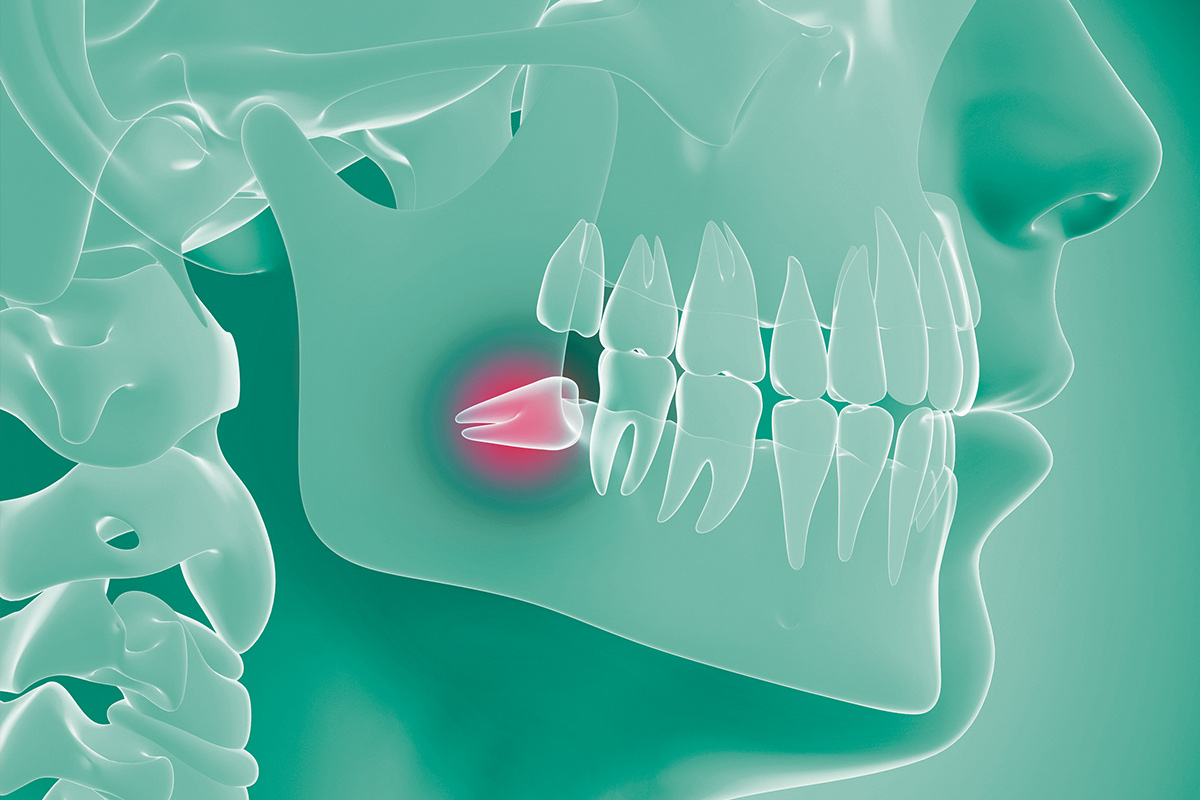
An average set of adult teeth is comprised of 32 teeth. The third molars, also known as wisdom teeth, are located at the back of the mouth and come in between the ages of 15 and 26. Because they are the last teeth to emerge, they can become impacted, meaning there isn’t enough room for them to fit in the mouth. Even when wisdom teeth emerge without complication, they are rarely functional, and because of their position in the back of the mouth, they are more difficult to clean and susceptible to cavities.

Why Wisdom Teeth Removal Is Important

While wisdom teeth are often assessed and removed before problems arise, they can cause issues if left unmonitored. Impacted wisdom teeth can be painful and lead to the growth of bacteria, causing severe, sometimes life-threatening infections. As the teeth begin to emerge, they can put pressure on the neighboring molars and cause misalignment. They are also a common source of cysts as well as tumors. Other symptoms of impacted wisdom teeth include swollen gums, jaw ache, and pain when biting, chewing, and opening your mouth.

What to Expect From the Procedure

Wisdom teeth removal surgery is very common – nearly 85% of Americans have or will have their wisdom teeth removed. The procedure typically takes less than an hour, during which the patient will receive anesthesia to ensure a painless experience. Advancements in anesthesia medications and surgical techniques have aided the recovery process, including long-lasting local anesthetics that can reduce postoperative pain and the need for narcotics during the healing period.

If you have not had your wisdom teeth removed, talk to your dentist or oral surgeon. They can evaluate the position of your wisdom teeth and determine whether removal is advised as well as help coordinate the safest and most convenient time to have them removed.

An Expert Weighs In

“It is best to remove wisdom teeth between the ages of 15 and 26 to prevent an increased rate of complications and difficulty in treatment associated with the surgery as you age. As a general rule, it is much easier on the patient, doctor, and surgical team to surgically remove wisdom teeth in the younger population due to the overall health and flexibility of their bone.”


Meet the Author

Rachel Studebaker
Rachel Studebaker, BA, English, Summa Cum Laude

Rachel Studebaker is a graduate of Lee University, where she earned a Bachelor of Arts in English with a minor in advertising with the distinction of summa cum laude and served as editor-in-chief of the university’s biannual magazine, The Vindagua. After graduation, Rachel joined CMC Media & Marketing Group as an editor. Today, she serves as managing editor and is responsible for leading the editorial team in the development and completion of content for 17 publications involving health & wellness, business, sports, and lifestyle published in print and online for HealthScope® and CityScope® magazines as well as Choose Chattanooga® and Choose Huntsville™ – premier publications serving Southeast Tennessee, North Georgia, and North Alabama. In addition to writing, editing, and coordinating copy, Rachel oversees networking and reputation management for the company’s publications. In her free time, she enjoys reading, hiking, attending concerts, trying new restaurants, and traveling with her husband.

Get the FREE Digital Issue Before the Magazine Hits the Stands.