Feeling Your Best After Baby
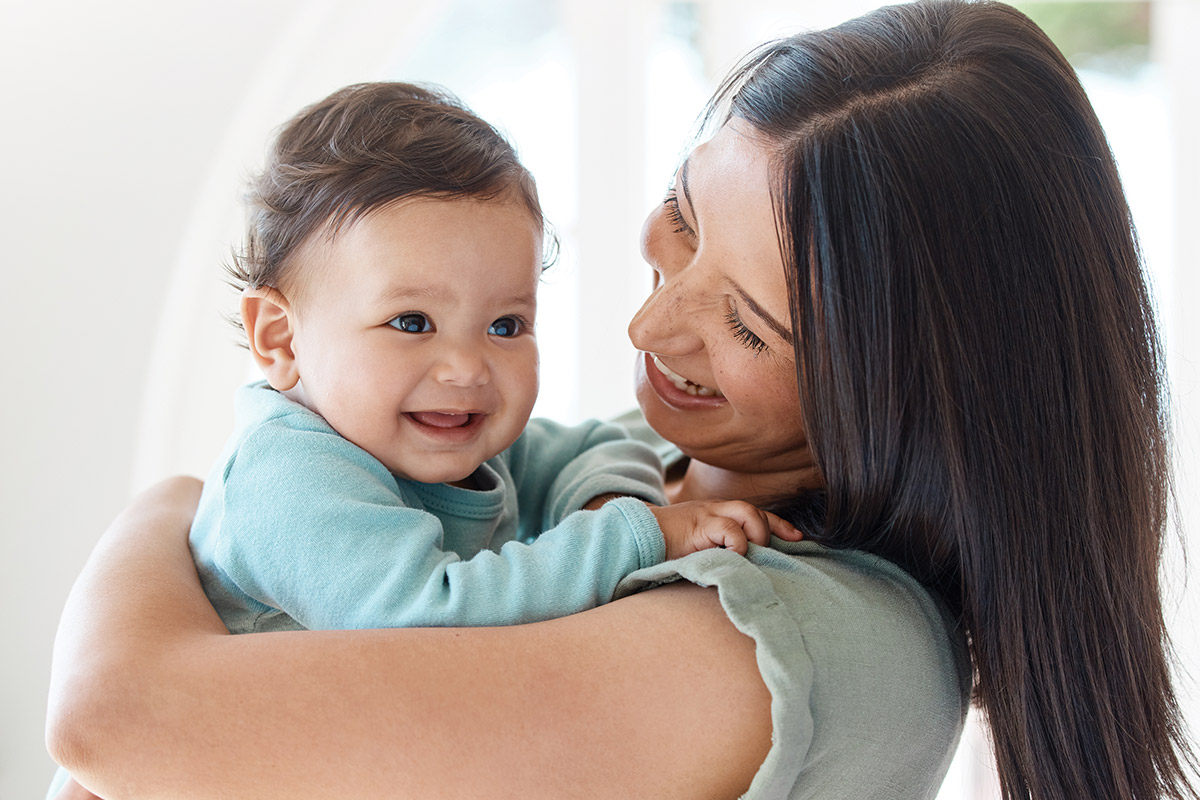
The period right after childbirth is referred to as the postpartum period. A postpartum body goes through many physical changes as it recovers and adjusts, along with significant mental changes as well. Here, we explore mental health in the postpartum period, ways to practice self-care, when to seek additional support, and advice from local experts.
Postpartum Mental Health: What to Expect
While pregnancy and postpartum experiences are different for everyone, many women experience similar emotional symptoms during the transition to motherhood. Often referred to as “baby blues,” women may feel sad and teary right after giving birth as their estrogen and progesterone levels drop.
According to Dr. Michael Smith, OBGYN physician at Diana Health, this common symptom typically goes away quickly. “The baby blues generally affect approximately 50-75% of women and are characterized by sadness, anxiety, and irritability. Fortunately, the baby blues usually resolve within two weeks of delivery,” he says. “Although hormonal fluctuations are an underlying cause of postpartum mental health, the exact changes are not well understood. There are additional factors that play an important role, including fatigue, sleep deprivation, physical discomfort, and the newness of lifestyle changes with a baby.”
How Postpartum Physical Health Impacts Mental Health
As the body adjusts and recovers during the postpartum period, these physical changes can affect mental health. Some women report experiencing body image challenges, severe fatigue, and various pelvic floor dysfunction symptoms such as urinary incontinence and painful sex. Healthcare providers can assist with mitigating these symptoms, including those involving the pelvic floor.
The pelvic floor includes the muscles that support the uterus, bladder, large intestine, and rectum. Physical and hormonal changes due to pregnancy, such as the additional weight of the baby, can put strain on the pelvic floor, which can cause pelvic floor disorders after childbirth, even with uncomplicated births.
Dr. Erin Westner, founder of The Pelvic Method, says, “When we carry a child in pregnancy, our body shifts and adjusts to support carrying the child. Our body is naturally different from head to toe. It’s beneficial to have someone who is versed in how the foot spreading and widening might affect the hips, which have also spread to accommodate the baby, and what that might do to their pelvic girdle, running form, or even lifting form. The pelvic floor is also impacted when we try to carry the diaper bag, carrier with the baby in it, and a bag of groceries all at once to make less trips.” Birthing classes, prenatal yoga, and perineal massage can help prevent pelvic floor disruption, and an OB-GYN or pelvic floor therapist can assist with symptoms after childbirth.
While pelvic floor issues are often physical, Dr. Westner emphasizes that supporting pelvic function can benefit mental health amid the many changes of the postpartum period. “A lot of things shift in someone’s life, and the baby becomes the priority over yourself and others,” she explains. “However, it is proven that when something can be done to support a mother, such as improving her pelvic health by helping her reconnect to her body and movement, she has more capacity to take on challenges that arise. Pelvic health is overall health – taking the strain and stress off the pelvic floor. When a mother is cared for, seen, heard, taken care of, and given some control back, it makes a huge difference in her mental health.”

How to Support Mental Health Postpartum
While navigating the postpartum period, it is important to find ways to care for and boost mental health. “When I start working with a postpartum mom I always ask about the basics: sleep, gentle movement when possible, breath work, fueling the body with restorative foods, and staying hydrated,” says Laura Salazar, owner and therapist at Relationship Enhancement Counseling & Consulting. “I encourage moms to focus on rest even if sleep is broken.”
Salazar also emphasizes the benefits of leaning on your network, saying, “Accepting help is crucial to successfully navigating the postpartum period. This can look like sharing the mental and physical load with a partner or others in the support system like friends, family, support groups, a doula, or a therapist. Accept meals, let people walk the dog, and allow the random stranger at the grocery store to help load your bags. Let your partner make mistakes while learning to take care of the baby. Acknowledge your limits and have compassion for yourself as you learn to take care of yourself and a whole new human.”
“Accepting help is crucial to successfully navigating the postpartum period. This can look like sharing the mental and physical load with a partner or others in the support system like friends, family, support groups, a doula, or a therapist.”
When to Seek More Help
While most women experience the initial baby blues, some women experience more serious conditions such as postpartum depression or postpartum anxiety. Research estimates roughly 15% of new mothers experience postpartum depression, and postpartum anxiety affects roughly 1 in 5 women. If you or a loved one are experiencing symptoms of these or other postpartum conditions, it is important to seek professional help from a healthcare provider.
“You are not alone; 21% of pregnant moms develop a mood disorder during or after pregnancy. It can feel overwhelming to research mental health support, so asking a friend or partner to narrow down the options can be a good first step,” shares Salazar. “Postpartum Support International has many free support groups that meet online for various unique demographics and circumstances. There are also several resources in Chattanooga, such as monthly postpartum groups, virtual therapy, and support groups for those who have experienced miscarriage or infant loss.”
While the postpartum period can be vulnerable and challenging, it also is a special, memorable time for a growing family. During this time, it is beneficial to find ways to support mental health and practice self-care, lean on your support group, and seek additional help if needed.
The Baby Blues
• Appears 3-4 days after birth
• You feel more emotional than usual
• Delayed bonding with baby
• Mental fog
• Worry about minor things
• Cry tears of sadness
• Trouble sleeping
• Goes away on its own
within 2 weeks
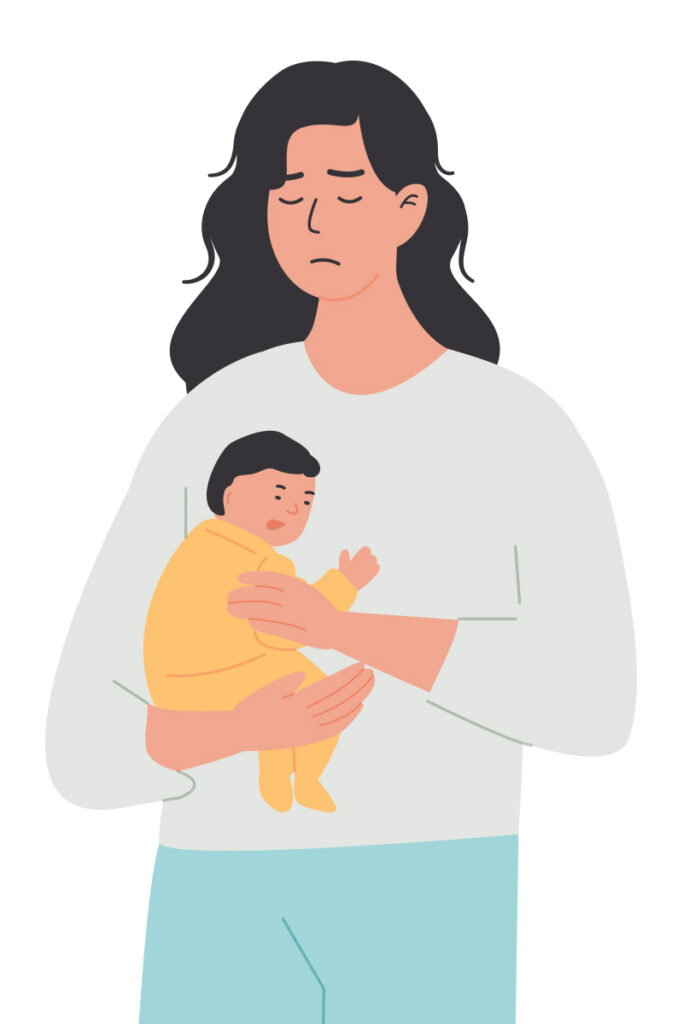
Postpartum Depression/Anxiety
• Can develop anytime within
the first year of having a baby
• You feel overwhelm, irritability, anger, frustration, and/or rage
• Obsessive bonding with baby
or difficulty bonding at all
• Frequent intense worry and intrusive thoughts
• Feeling inadequate or hopeless
• Excessive crying and severe mood swings
• Exhaustion and poor mental health that doesn’t resolve

Erin Westner, PT, PRPC
Owner & Founder, The Pelvic Method

Michael Smith, MD
OBGYN Physician, Diana Health

Laura Salazar, LMFT
Owner & Therapist, Relationship Enhancement Counseling & Consulting
Meet the Author

Kristen Dee, BS, MA, Summa Cum Laude
Kristen Dee is a graduate of Winthrop University, where she earned a Bachelor of Science in Integrated Marketing Communications. Following Winthrop, she earned a Master of Arts in Communication from Wake Forest University. Prior to joining CMC Media & Marketing Group, Kristen successfully fulfilled roles involving internal corporate communications. Today, she supports ideation, conceptualization, and development of numerous health & wellness, business, sports, and lifestyle articles published in print and online for HealthScope® and CityScope® magazines as well as Choose Chattanooga® and Choose Huntsville® – premier publications serving Southeast Tennessee, North Georgia, and North Alabama. She also contributes to the development of blogs and other content shared on the publications’ digital platforms. In her free time, she enjoys cooking, baking, reading, and spending time with her husband and two dogs, Cooper and Rocky.