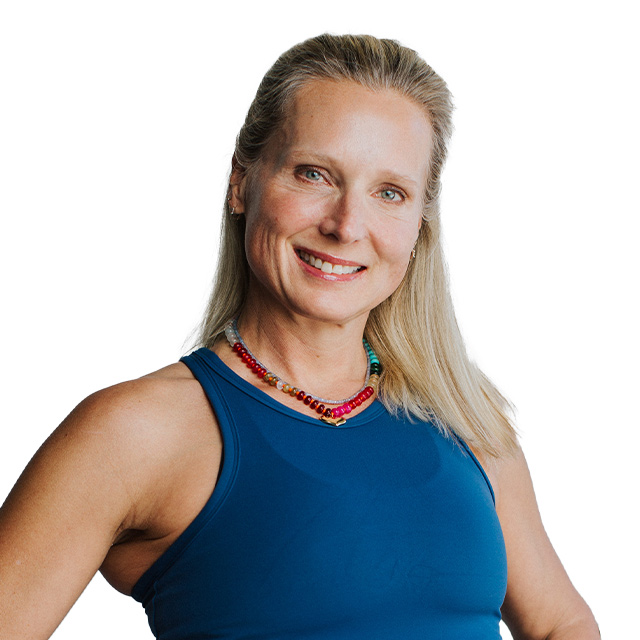




When most people think about pelvic floor issues, they immediately associate them with postpartum women. But the truth is, women of all ages and life stages (including those who have never had children) can experience pelvic floor dysfunction. The majority of women struggling in this area have an overactive pelvic floor rather than an underactive one, which can cause tension, discomfort, and even pain. The key to restoring balance lies in learning how to down-train the pelvic floor, essentially, teaching it to relax and lengthen. When combined with intentional breathing techniques, this approach can create lasting change. Learning how to connect your breath, core, and pelvic floor isn’t just about improving workouts, it’s about building strength and confidence from the inside out.”
Jen Young, Fitness Coach, MTHR Studio & Southern Soul Yoga & Pilates
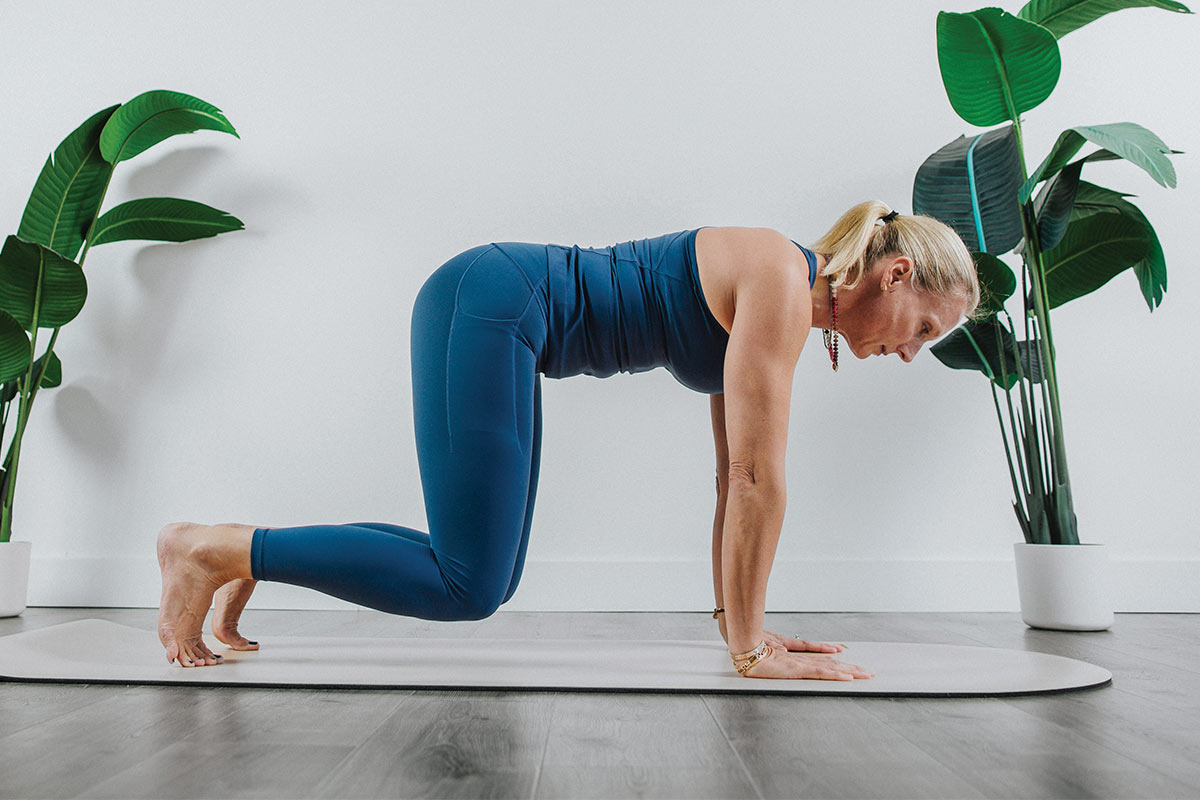
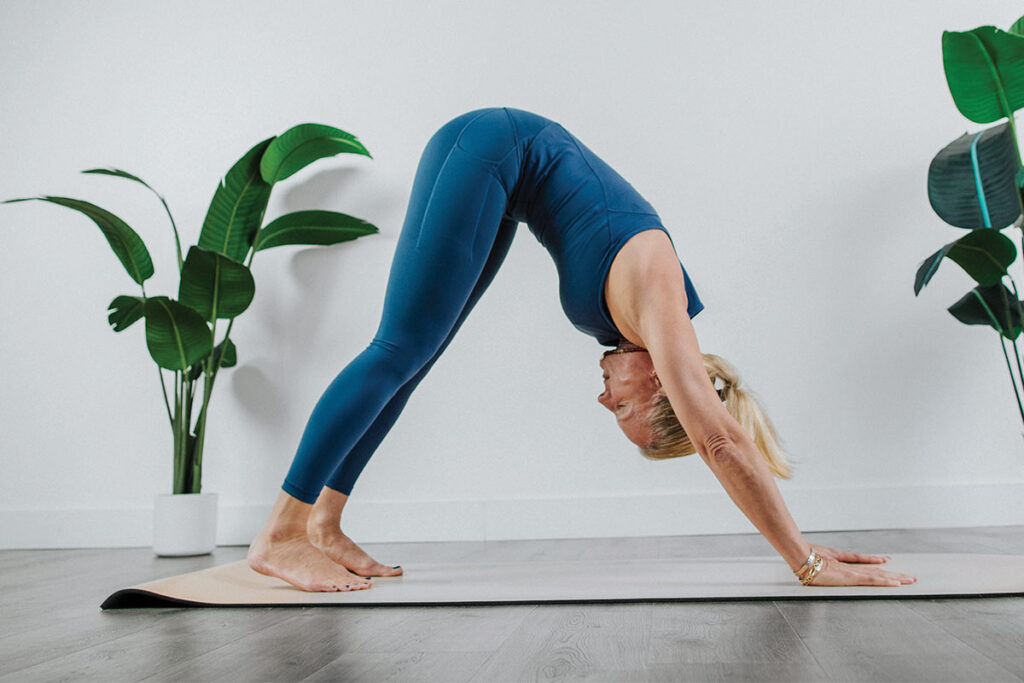
The bear plank to down dog is a dynamic full-body exercise that primarily targets the deep core, including the transverse abdominis, obliques, and rectus abdominis. This helps build stability and support the pelvic floor and spine. Begin in a bear plank, shoulders stacked over wrists and hips stacked over knees. Take a diaphragmatic breath in and as you exhale, lift and wrap your abdominals. On the inhale, lift your hips up and back into down dog, and feel your pelvic floor open and lengthen. On the exhale, lift and wrap your core to activate as you return back to bear plank. Inhale lengthen, exhale activate. Repeat 15-20 times.
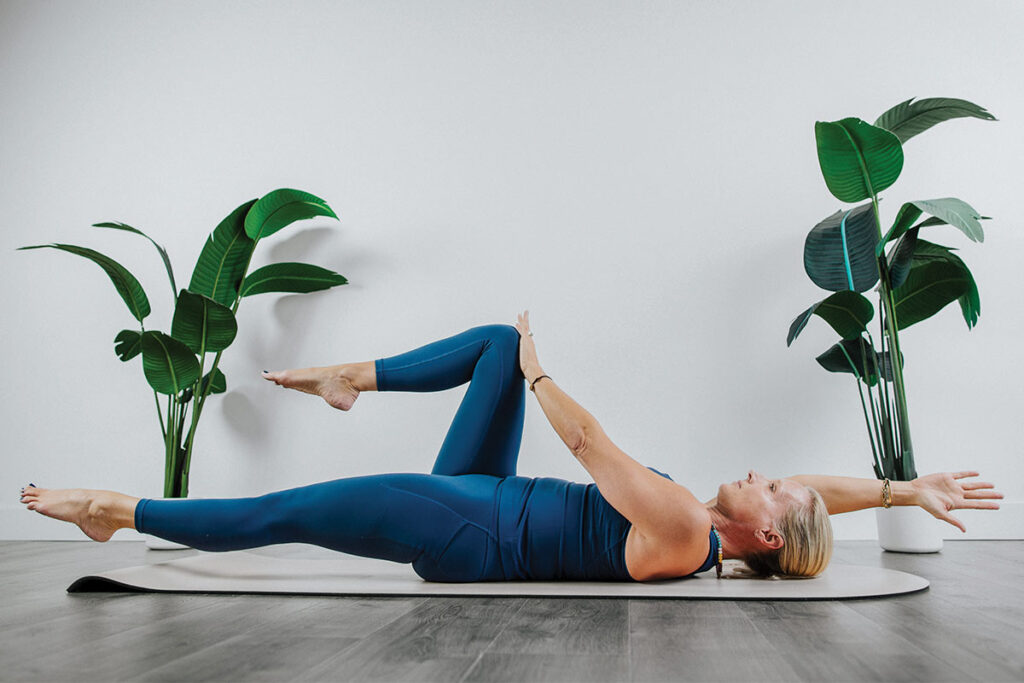
The crossbody deadbug movement targets the transverse abdominis, a key core muscle that stabilizes the pelvis and supports the pelvic floor. Lie on your back with knees bent to 90 degrees directly over your hips. Place one hand on the opposite knee and press them into each other to create some isometric tension. On the exhale, activate your core, “zipping up” from pelvic floor to ribcage. On the inhale, lengthen opposite arm and leg while holding the strong core activation. Exhale and return to your starting position, while holding your core engagement. This is called an active core breath. Allow yourself to deepen your core activation with each inhale/exhale. Inhale lengthen, exhale activate. Repeat with precision 15-20 times then switch sides.
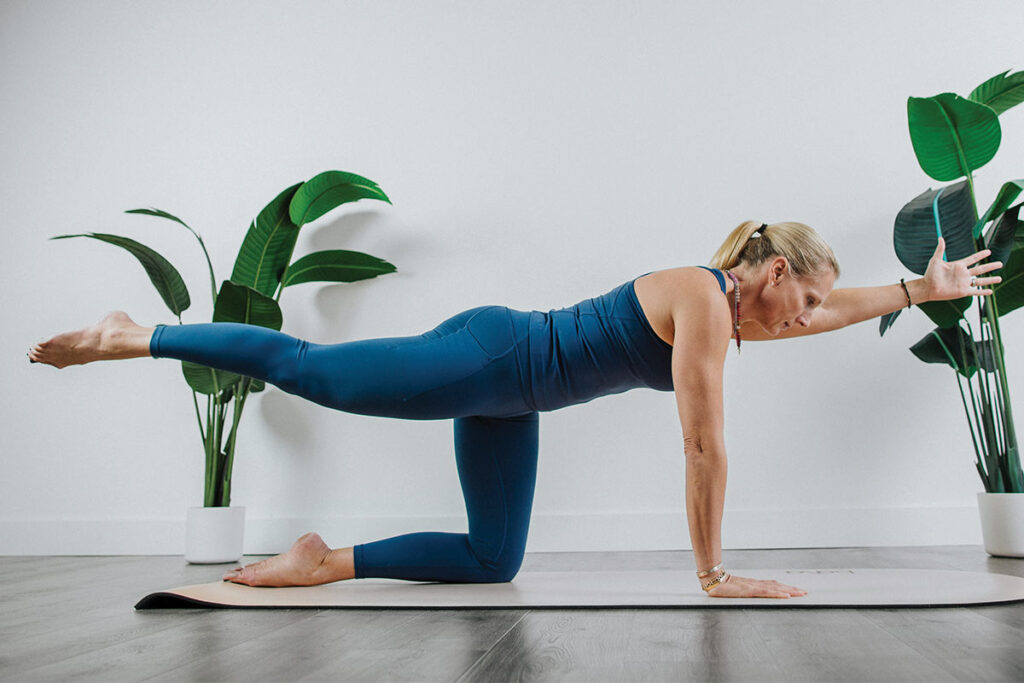
This exercise targets the pelvic floor, lower back, and abdominal muscles. Start on your hands and knees in a tabletop position. Take a diaphragmatic breath inhale, and on the exhale, use your core connection breath by zipping up – pelvic floor, low core, mid core, upper core. As you inhale, extend one arm forward and the opposite leg backward, keeping your back flat and core activated. Hold briefly, return to the start, and repeat. Inhale lengthen, exhale activate. Repeat 15-20 slow and controlled reps on each side.
This movement is a dynamic variation of the traditional glute bridge exercise that targets your glutes, hamstrings, deep core, and pelvic floor by combining stability and single-leg movement. To begin, lie on your back with your knees bent and feet flat on the floor, hip-width apart. Arms should be at your sides, palms facing down. Take a diaphragmatic breath in, and on the exhale, activate your core and glutes as you lift your hips off the ground into a glute bridge position. Your body should form a straight line from shoulders to knees. While maintaining the bridge position, lift your right foot off the floor, bringing your right knee toward your chest (like a slow march). Keep the hips level and stable and try not to let one hip drop. Lower your right foot back to the floor with control. Now lift your left knee toward your chest. Continue alternating legs in a controlled, marching motion. Inhale lengthen, exhale activate. Complete 10-15 reps on each side.
HEALTH
BEAUTY & STYLE
LIFE
RELATIONSHIPS
FOOD
FITNESS
PERSONAL GROWTH
ABOUT US

HEALTH
BEAUTY & STYLE
LIFE
RELATIONSHIPS
FOOD
FITNESS
PERSONAL GROWTH
ABOUT US
HEALTH
BEAUTY & STYLE
LIFE
RELATIONSHIPS
FOOD
FITNESS
PERSONAL GROWTH
ABOUT US
HEALTH
BEAUTY & STYLE
LIFE
RELATIONSHIPS
FOOD
FITNESS
PERSONAL GROWTH
ABOUT US
HEALTH
BEAUTY & STYLE
LIFE
RELATIONSHIPS
FOOD
FITNESS
PERSONAL GROWTH
ABOUT US
HEALTH
BEAUTY & STYLE
LIFE
RELATIONSHIPS
FOOD
FITNESS
PERSONAL GROWTH
ABOUT US
HEALTH
BEAUTY & STYLE
LIFE
RELATIONSHIPS
FOOD
FITNESS
PERSONAL GROWTH
ABOUT US