
Understanding This Common Condition
Osteoporosis is a disease that causes bones to become weak, brittle, and less dense than they should be, making them more susceptible to breaks and fractures after a fall or other mild stressors. While bones naturally lose density as you age, osteoporosis occurs when the creation of new bone can’t keep up with the loss of old bone. This condition most commonly affects the hips, wrists, and spine.
According to the Cleveland Clinic, more than 50 million people are living with osteoporosis in the United States. While this condition affects individuals of all races, white and Asian women are at a higher risk, especially older women who are past menopause.
What Causes Osteoporosis?
Bones are made of living tissue that is constantly being broken down and replaced. When you’re young, new bone is created faster than it breaks down, meaning your bone mass increases. In your early 20s, this process finally begins to slow, with most individuals reaching their peak bone mass by age 30; then, as people continue to age, bone mass slowly begins to be lost faster than it is created.
While this is a natural sign of aging, those with osteoporosis lose bone mass at an even greater rate. The higher your peak bone mass, the less likely you are to develop this condition.
Several factors can increase your likelihood of developing osteoporosis. Those at a genetically higher risk of developing the condition include:
- Individuals over 50
- Women, particularly those postmenopausal
- Those of white or Asian descent
- People with a family history of osteoporosis
- People with thin or smaller frames
Certain lifestyle habits can also increase your risk. Living a sedentary lifestyle, drinking more than two alcoholic beverages per day, not getting enough calcium or vitamin D, and using tobacco products can all contribute to developing this condition.
Most often, osteoporosis is diagnosed as part of a routine screening with a DEXA (dual X-ray absorptiometry) scan. A baseline screening is recommended for women over the age of 65 and for women between 50 to 64 who have higher risk factors. Your healthcare provider may recommend regular screenings depending on your health and history.
Diagnosis & Testing
A DEXA scan is a short procedure, typically lasting between 15 to 20 minutes. After the image is taken, your healthcare provider will assess your results:
- T-Score: This score compares your bone density to the optimal peak density for those of your sex.
- Z-Score: This score compares your bone density to the bone densities for those of your sex, age, and ethnicity.
While both scores can help your healthcare provider predict the odds of a future fracture and keep track of improving or worsening conditions, the T-score is used to diagnose the condition. According to John Hopkins Medicine, a score between:
- +1 to -1 indicates normal bone density
- -1 to -2.5 indicates low bone mass
- More than -2.5 indicates osteoporosis
Treatment & Prevention
While osteoporosis cannot be cured, the condition can be slowed and its effects can be managed. Based on your DEXA scan and fracture risk, your healthcare provider may recommend a combination of:
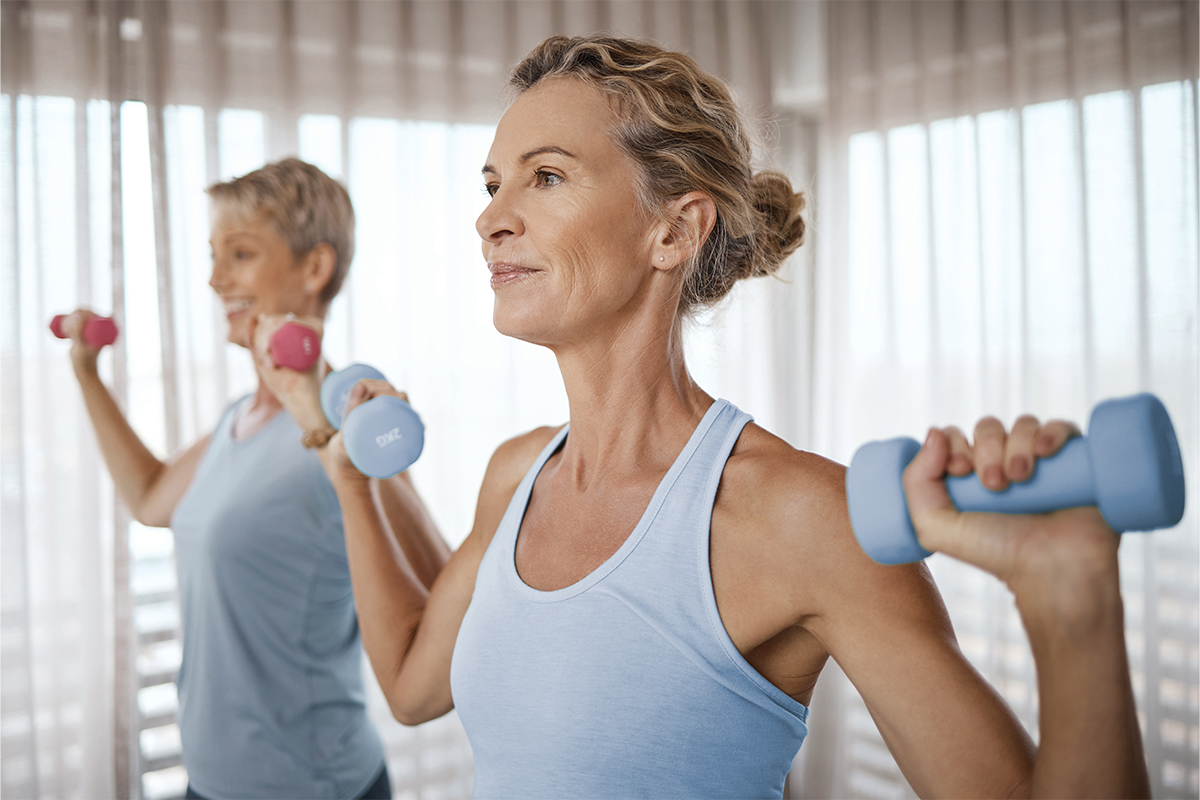
Lifestyle Changes: Regular exercise, specifically running and resistance training, can help reduce bone breakdown as you age. Healthcare providers recommend exercising two to three times per week at a manageable resistance level and supervised by a physical therapist, if needed. Cutting out smoking and drinking alcohol and prioritizing 15 to 30 minutes of sunshine per day can also help maintain good bone health.
Supplements: Getting plenty of vitamin D, K, and calcium from your food sources or from over-the-counter or prescription supplements can help manage osteoporosis. Specifically, vitamins D3 and K2 help your body better absorb calcium into your bones. Your healthcare provider can help you determine what vitamins you need, the correct dosage, and how often to take them.
Medication: For those at a higher risk of fractures, medication may be necessary to treat osteoporosis. The most commonly prescribed medication are bisphosphonates, which slow the breaking down of bone in the body. Other medication options may include hormone-related therapy with estrogen and testosterone injections.
Regarding prevention, many of the same healthy habits used to manage osteoporosis can also help keep the condition at bay. Staying active, maintaining a balanced diet rich in bone-supporting nutrients, and avoiding smoking and excessive alcohol use all play an important role in protecting bone health as you age.
While osteoporosis requires lifelong attention, proactive care and early intervention can make a significant difference. With the right guidance and support, you can continue living a strong, active, and healthy life.
Here, we speak with local experts who share their insights on maintaining lifelong bone health.
How does exercise help improve bone density or reduce fracture risk?
Can you discuss any new or emerging therapies for osteoporosis?
Why are older women particularly at risk for osteoporosis?
Meet the Author
Ali Lemmons, BS, Summa Cum Laude
Ali Lemmons is a graduate of the University of Tennessee at Chattanooga (UTC) where she earned a Bachelor of Science degree in Communication with a minor in computer science. While at UTC, Ali also earned the distinction of Summa Cum Laude, the Outstanding Senior Award for the communication department, and was inducted into the Kappa Tau Alpha honor society. Now, as editor/digital content specialist for CMC Media & Marketing Group, Ali leads the ideation, conceptualization, and development of numerous health, wellness, business, sports, and lifestyle articles published in print and online for HealthScope®, CityScope®, and Choose Chattanooga® magazines – premier publications serving S.E. Tennessee and North Georgia. She is also involved in content creation for Digital Smart Marketing customers and is the lead copywriter for the company’s social media sites.