Vascular Health and Aging

Aging Well

Vascular disease is a preventable condition that can impact memory, mobility, and more in aging adults.

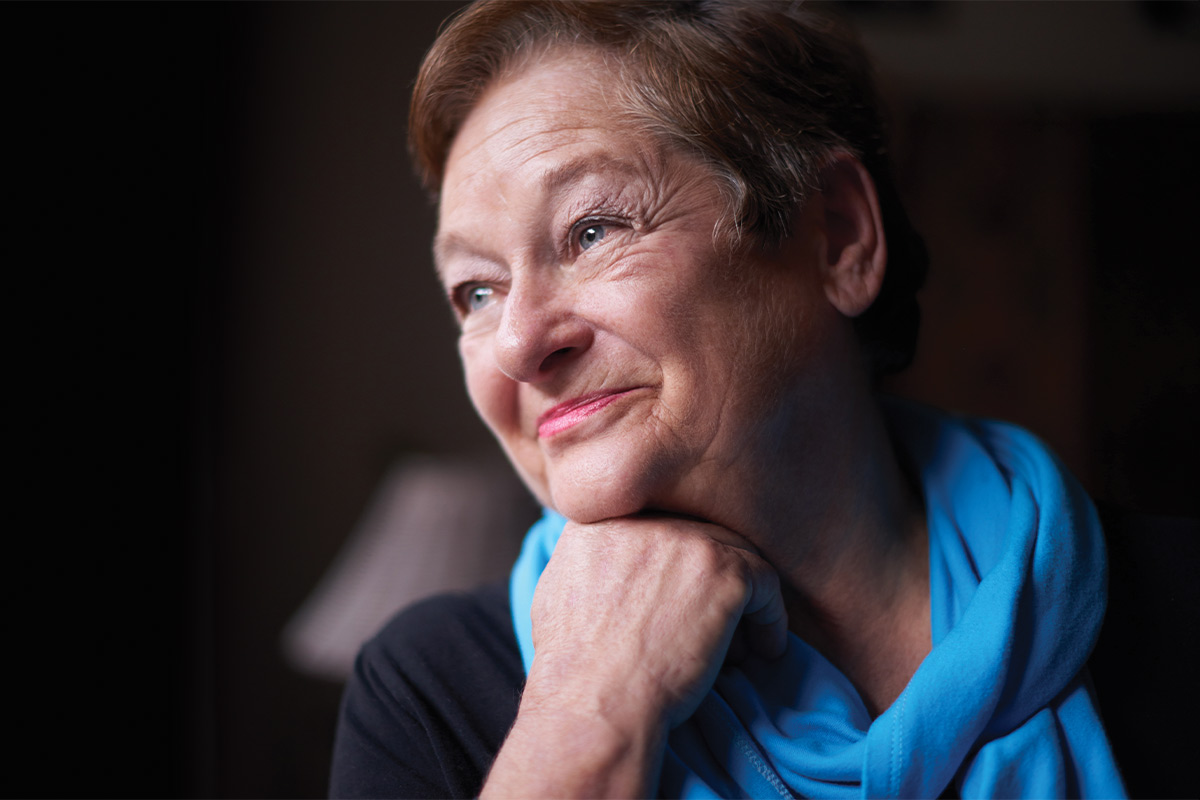
smiling older woman with visible veins

Understanding Vascular Health and Aging

Healthy circulation is key to aging well, as every organ in the body depends on consistent blood flow to function properly. As the body ages, arteries naturally stiffen and lose flexibility. Over time, fatty deposits known as plaque can build up along the arterial walls, narrowing the pathways in a process called atherosclerosis. When blood flow becomes restricted, it can impact:

  • Memory. Reduced circulation to the brain can lead to cognitive decline, dizziness, or vascular dementia.
  • Mobility. When blood flow to the legs is limited, walking, climbing stairs, or standing for long periods can become painful.
  • Stroke risk. When arteries supplying the brain become narrowed or blocked, the risk of stroke rises sharply.

Peripheral Artery Disease

Many assume that slower movement, occasional forgetfulness, and fatigue are simply part of aging. However, these changes may be signs of vascular disease.

Peripheral artery disease (PAD) is a condition that affects more than 8 million Americans and increases with age. Left untreated, PAD can progress to critical limb ischemia, a serious stage that can lead to amputation. Symptoms of PAD include:

  • Cold feet or toes that don’t warm easily
  • Leg cramps or heaviness when walking
  • Wounds that heal slowly or not at all
  • Memory changes or recurring dizziness

Outlook

Thankfully, vascular disease is both preventable and treatable with proper lifestyle habits, early screening, and timely intervention. Noninvasive ultrasound screenings can detect narrowing or blockages before they become serious, allowing for proactive management through medical therapy, minimally invasive stenting, or surgical correction to restore blood flow.

An Expert Weighs In

“Vascular issues significantly impact the aging population by reducing blood flow to vital organs, leading to conditions like stroke, heart disease, and peripheral artery disease. These problems impair mobility, cognition, and overall quality of life, increasing healthcare needs and dependency, while emphasizing the importance of early prevention and vascular health management.”

Meet the Author

Rachel Studebaker
Rachel Studebaker, BA, English, Summa Cum Laude

Rachel Studebaker is a graduate of Lee University, where she earned a Bachelor of Arts in English with a minor in advertising with the distinction of summa cum laude and served as editor-in-chief of the university’s biannual magazine, The Vindagua. After graduation, Rachel joined CMC Media & Marketing Group as an editor. Today, she serves as managing editor and is responsible for leading the editorial team in the development and completion of content for 17 publications involving health & wellness, business, sports, and lifestyle published in print and online for HealthScope® and CityScope® magazines as well as Choose Chattanooga® and Choose Huntsville™ – premier publications serving Southeast Tennessee, North Georgia, and North Alabama. In addition to writing, editing, and coordinating copy, Rachel oversees networking and reputation management for the company’s publications. In her free time, she enjoys reading, hiking, attending concerts, trying new restaurants, and traveling with her husband.

Get the FREE Digital Issue Before the Magazine Hits the Stands.