Caring for the Caregivers
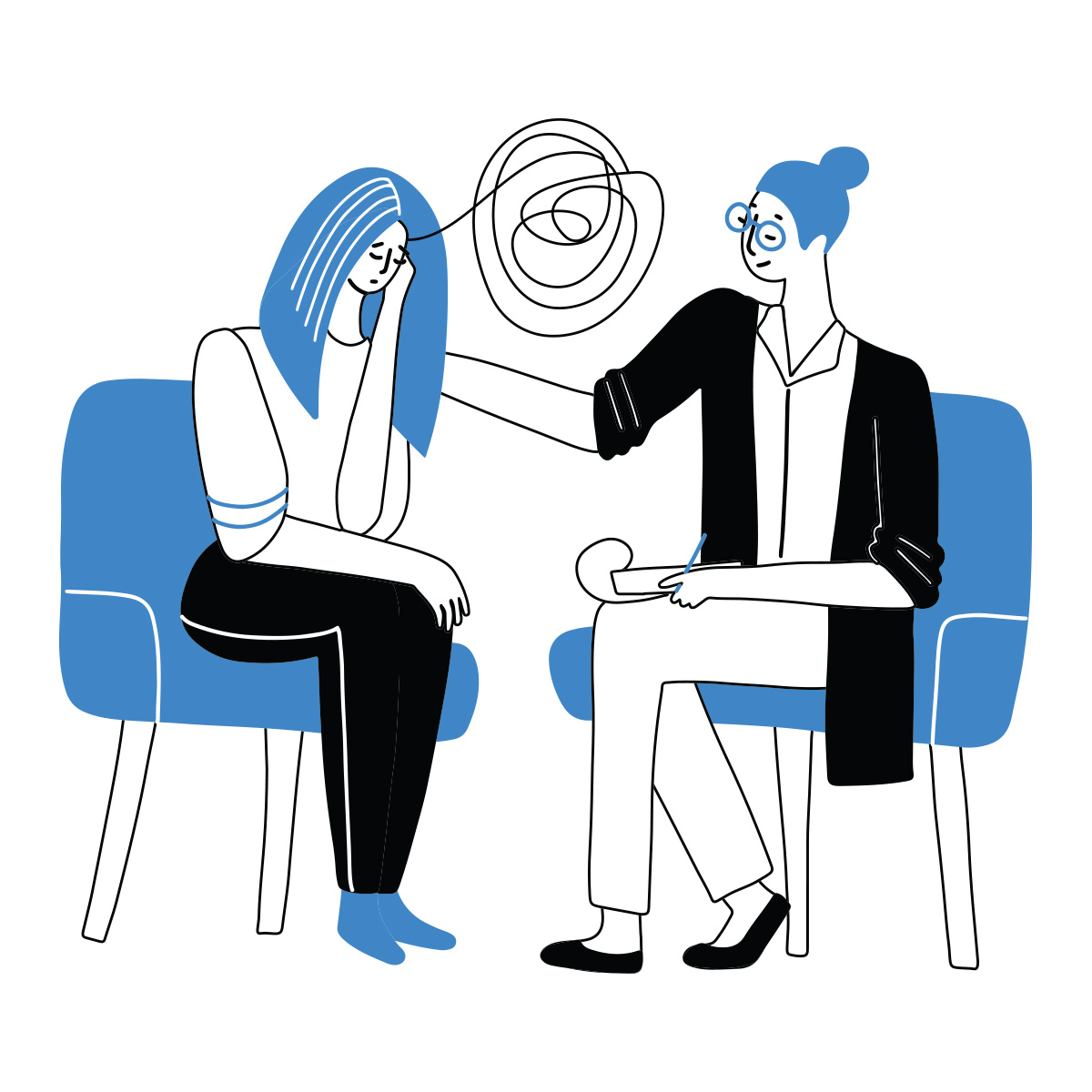
Healthcare professionals dedicate their lives to caring for others, but the demands of the profession can often come at the expense of their own well-being. Through confidential counseling and mental health support, LifeBridge helps physicians navigate the unique challenges of practicing medicine while prioritizing their own health. Here, we chat with counselor Stephanie (Nelson) Geitgey about the importance of mental health care for healthcare providers and recognizing when to seek support.

Stephanie (Nelson) Geitgey, LCSW
Counselor, LifeBridge
HS: Why is burnout so common among healthcare professionals, and what are some early warning signs they should recognize?
SG: Healthcare professionals are often prone to caring for others first and themselves second. The healthcare field asks a lot of physicians and other professionals. They often see/care for us at our worst and do this day in, day out for 12-14 hours per shift. Many then go home to their families and care for them, too. This constant output can result in burnout if the professional is unable to take adequate time to take care of their own needs.
Warning signs of burnout can include: change in sleep patterns, change in appetite/digestive issues, increased agitation, feeling detached/cynical, low energy and motivation, difficulty with focus and/or concentration, and feeling anxious or overwhelmed.
HS: What are some realistic self-care strategies healthcare professionals can incorporate into busy, unpredictable schedules?
SG: This can vary depending on the specific role a person has. Using coping strategies throughout the day can be more realistic, especially for providers who often do not get breaks in their shifts. The mind-body connection is very important. Eating healthy and practicing basic relaxation techniques can be easy things to incorporate. Taking healthy foods/snacks to work that you can quickly grab between patients and staying hydrated can greatly impact moods and energy levels. Deep breathing techniques, which involve shifting to mindful breathing versus automatic, can reduce tension, stress, and anxiety; it’s simple and doesn’t require you to stop what you are doing in your work.
Outside of work, it helps to be intentional with engaging activities that will really allow you to relax and reset. Many people find themselves mindlessly scrolling social media and not truly relaxing. Spend time outside. Go for a walk, go to an activity with friends, or simply be outside enjoying nature quietly.
HS: What are some healthy ways for healthcare professionals to process difficult patient outcomes, grief, or emotional fatigue?
SG: First and foremost, it is important to acknowledge that you do and see very difficult things that most outside of healthcare will not. Grief and trauma are very real in the healthcare field, and sometimes it’s beneficial to get outside help for a period of time to work through it. It’s important to let a friend or colleague who is struggling know that you see their struggle and to encourage them to get outside support to process and work through the situation.
HS: How can healthcare workers tell the difference between everyday stress and when it’s time to seek professional mental health support?
SG: When you have tried all of your coping strategies and things aren’t feeling better, it’s time to ask for support. Sometimes, having a space to problem solve and get new strategies from someone outside of your circle can be really helpful.
HS: If you could give one piece of advice to a healthcare worker who feels overwhelmed but hesitant to ask for help, what would it be?
SG: We all need help at some point, whether it be our own medical needs, a task around our home, or someone to talk to about what is happening in our personal life or on the job. Someone will walk alongside you if you just reach out.
Meet the Author

Ali Lemmons, BS, Summa Cum Laude
Ali Lemmons is a graduate of the University of Tennessee at Chattanooga, where she earned a Bachelor of Science in Communications with a minor in computer science with the distinction of summa cum laude. While at UTC, Ali earned the Outstanding Senior Award for the communication department and was inducted into the Kappa Tau Alpha honor society. As editor/digital content specialist for CMC Media & Marketing Group, Ali leads the ideation, conceptualization, and development of numerous health, wellness, business, sports, and lifestyle articles published in print and online for HealthScope® and CityScope® magazines as well as Choose Chattanooga® and Choose Huntsville™ – premier publications serving Southeast Tennessee, North Georgia, and North Alabama. She is also involved in content creation for Digital Smart Marketing customers and is the lead copywriter for the company’s social media accounts. In her free time, Ali enjoys reading, hiking, and exploring everything the Scenic City has to offer.