




In addition to light, the sun produces a form of energy known as ultraviolet (UV) radiation. A healthy amount of exposure to UV radiation provides individuals with the vitamin D that is necessary to function and survive. But overexposure can lead to an uncomfortable sunburn or rash, as well as increase signs of aging and the risk of developing skin health issues in the future.
Because UV radiation impacts the skin in different ways, scientists classify the energy into three different wavelengths or rays:
While headaches and migraines both cause head pain, migraines are considered a neurological disorder and often involve a range of symptoms beyond the pain itself.
“Migraines are often mistaken for regular headaches at first, but certain warning signs can help identify them early,” shares Dr. Bernard Parham, board-certified internist and owner of Parham Concierge Medicine. “Patients may report throbbing or pounding pain, usually on one side of the head, along with nausea, vomiting, or sensitivity to light, sound, or smells. Some people experience visual changes such as flashing lights or blind spots before the headache begins. Migraines also tend to interfere with normal daily activities and may last for several hours to days.”
Because migraine symptoms can overlap with other conditions, obtaining an accurate diagnosis is important. Migraines are diagnosed primarily through a patient’s medical history, symptoms, and physical examination rather than a single test or scan. Understanding the difference between an occasional headache and a migraine can help individuals seek appropriate treatment sooner and better manage their symptoms.
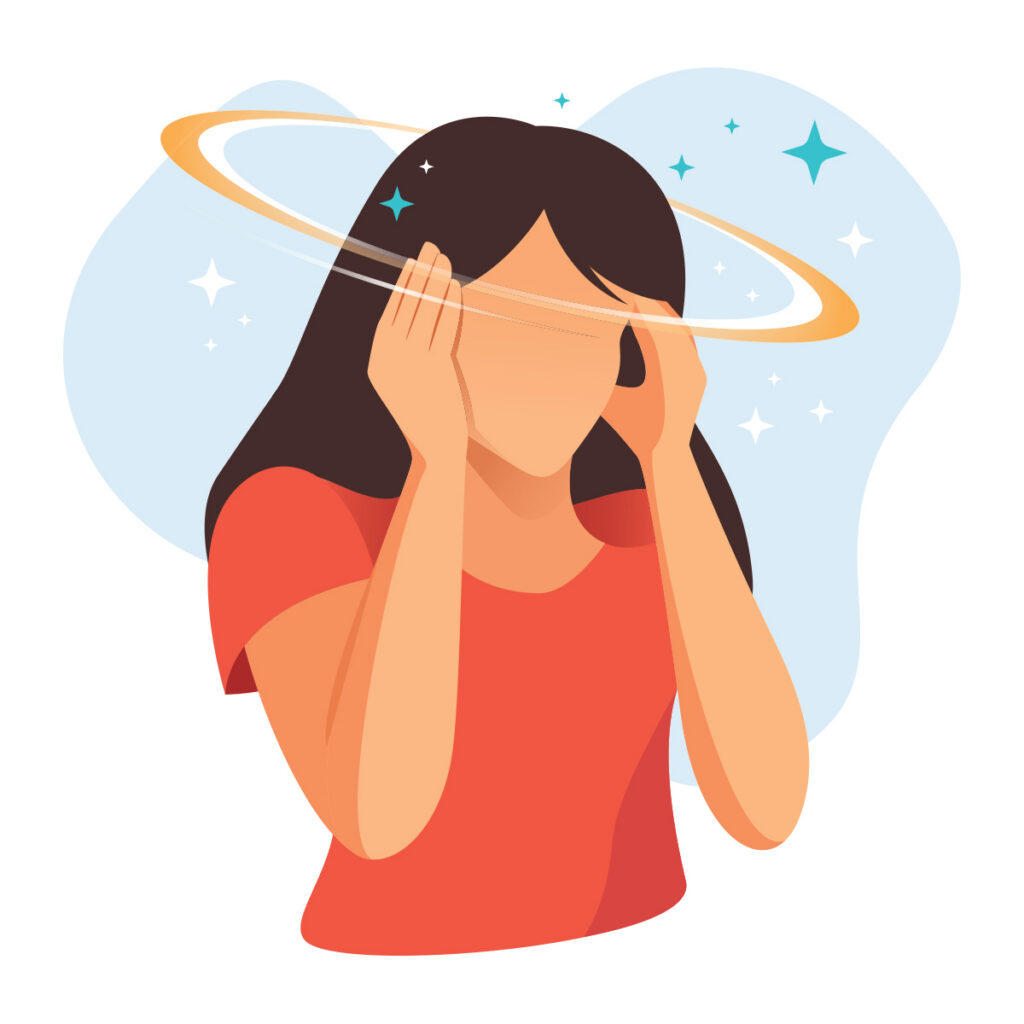
While there are several types of migraines, the two most common categories are migraine with aura (classic migraine) and migraine without aura (common migraine).
An aura is a set of symptoms that can occur before or during migraines, depending on the individual. Often visual, aura can present as visual changes, like seeing shapes, bright spots, or flashes of light; vision loss; feelings of pins and needles in the arm or leg; weakness or numbness in the face or body; and trouble speaking.
Other types of migraines include migraines in children, menstrual migraines, ocular migraines, silent migraines (aura without a headache), and chronic migraines, frequent and long-lasting episodes of migraines.
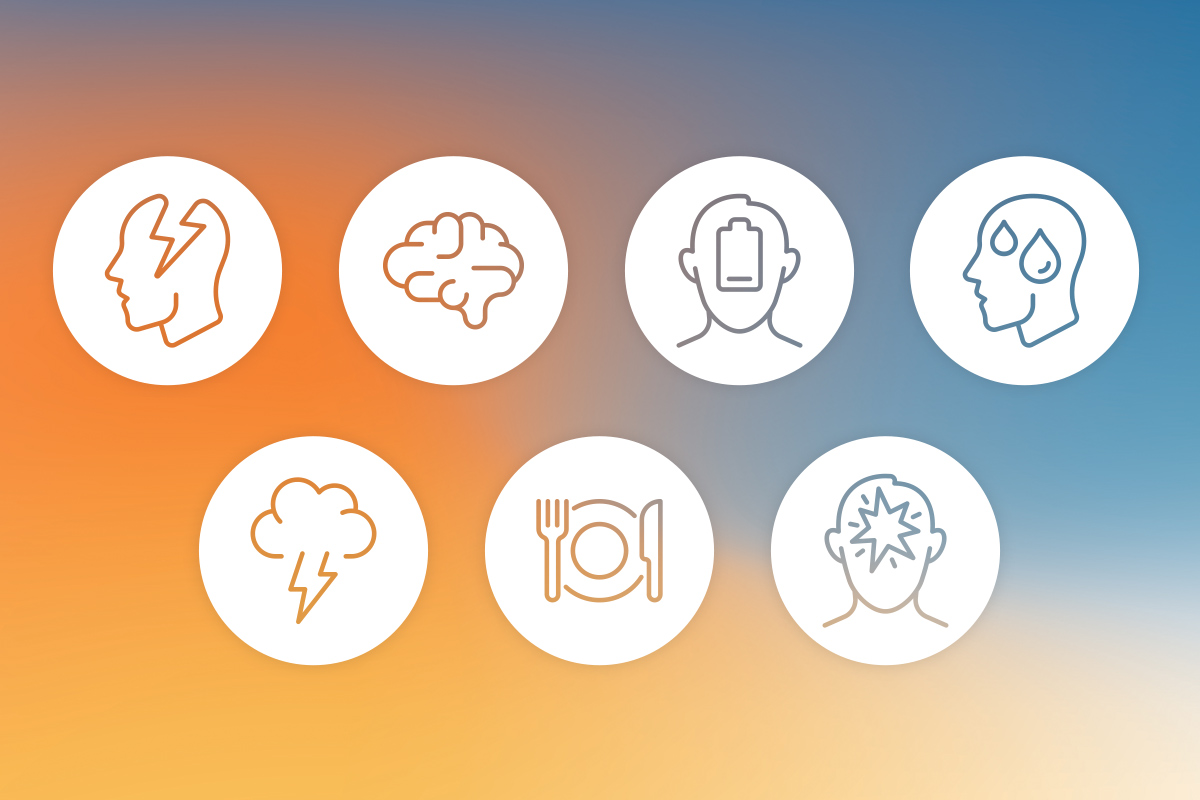
While the exact cause of migraines is still unknown, a combination of factors can increase your risk for having them.
“Migraine headaches stem from both genetic and environmental factors,” says Dr. Christina Mills, board-certified neurologist at Erlanger Neurology. “Genetics account for a large part of the risk – often running strongly in families – with multiple genes making the brain more sensitive to triggers.”
In fact, according to the Cleveland Clinic, up to 80% of people with migraines have a first-degree biological family member with the condition.
A trigger is something that can cause a migraine to start. Common migraine triggers include but are not limited to:
“Patients can identify migraine triggers by keeping a headache diary that records meals, sleep patterns, stress levels, activities, and symptoms before each migraine episode,” adds Dr. Parham. “Over time, patterns often become clear and help patients recognize specific triggers. “
In some instances, underlying conditions can contribute to migraines. One often-overlooked factor is temporomandibular joint disorder (TMD), a condition affecting the jaw joint and surrounding muscles.
“The connection between jaw issues and migraine pain relies on a shared network of nerves and muscles,” explains Dr. Kent White, dentist and owner of The Chatta-nooga Center for Sleep and TMJ. “When your jaw is misaligned, it forces surrounding structures to overcompensate, directly triggering headache pathways.”
Because the temporomandibular joint (TMJ) sits near major nerve pathways, TMJ disorders can sometimes mimic a range of other conditions, including migraines, ear problems, vertigo, and sinus pain.
“To distinguish a jaw-related headache from a traditional neurological migraine, look for mechanical triggers, the absence of neurological auras, and a dull, steady ache that changes with jaw movement,” says Dr. White. “While a pure migraine is an episodic neurological event, a TMJ headache is a musculoskeletal issue that frequently acts as a secondary trigger for broader migraine attacks.”

While there is no cure for migraines, a variety of treatment options can help reduce their frequency and severity. Treatment plans often combine lifestyle modifications, medications, and preventive therapies.
For mild to moderate migraines, first-line treatment usually includes over-the-counter medications, like acetaminophen, ibuprofen, and aspirin. Other at-home remedies, like caffeine, resting in a dark, quiet room, and staying hydrated, can also help reduce symptoms.
For individuals who experience frequent or severe migraines, prescription therapies may offer additional relief. In recent years, migraine treatment has advanced significantly.
“CGRP-inhibitor medications (injections, pills, or infusions) block a protein called CGRP which plays a key role in triggering migraine attacks, offering effective prevention with fewer side effects,” explains Dr. Mills. She adds that other advancements in treatment options include Botox injections, nerve blocks, neuromodulation devices, and biofeedback training.
Many doctors may also recommend seeking specialized treatment when migraines become too frequent or severe.
“Referral to a neurologist or headache specialist is appropriate if headaches occur more than a few times each month, interfere with work or daily activities, or fail to improve with first-line medications,” advises Dr. Parham. “Immediate medical evaluation is also important for sudden, severe headaches or headaches associated with weakness, confusion,
vision loss, seizures, or changes in speech.”
Because migraines can have multiple contributing factors, for some individuals, addressing underlying jaw dysfunction may help reduce the frequency or severity of attacks.
“Treating TMD frequently helps with migraine headaches by relieving the triggers that set them off. Even hormonal and chemically induced migraines can be reduced by tuning down the nervous system activity,” adds Dr. White.
While there is no one-size-fits-all solution, a combination of lifestyle changes, preventive care, and targeted treatments can help many migraine sufferers find meaningful relief.
“Migraine is a real neurological disorder – not just a bad headache,” finishes Dr. Mills. “Effective treatments exist, and most patients can achieve major improvement. Don’t hesitate to seek help if headaches are disrupting your life. New options continue to bring better relief.”

Abby Callahan is a graduate of the University of Tennessee at Chattanooga, where she earned a Bachelor of Arts in English with a minor in Spanish and the distinction of cum laude. Prior to joining CMC Media & Marketing Group as editor/digital content specialist, Abby successfully fulfilled roles in marketing and event planning, as well as strategic communications and storytelling for a wide variety of initiatives. Today, Abby leads ideation, conceptualization, and development for numerous health & wellness, business, sports, and lifestyle articles published in print and online for HealthScope® and CityScope® magazines as well as Choose Chattanooga® and Choose Huntsville® – premier publications serving Southeast Tennessee, North Georgia, and North Alabama. She also contributes to the development of blogs and other content shared on the publications’ digital platforms. Off the clock, she enjoys thrifting, sewing and designing her own clothes, climbing, and going on adventures with her husky, Hazel.
HEALTH
BEAUTY & STYLE
LIFE
RELATIONSHIPS
FOOD
FITNESS
PERSONAL GROWTH
ABOUT US
HEALTH
BEAUTY & STYLE
LIFE
RELATIONSHIPS
FOOD
FITNESS
PERSONAL GROWTH
ABOUT US
HEALTH
BEAUTY & STYLE
LIFE
RELATIONSHIPS
FOOD
FITNESS
PERSONAL GROWTH
ABOUT US
HEALTH
BEAUTY & STYLE
LIFE
RELATIONSHIPS
FOOD
FITNESS
PERSONAL GROWTH
ABOUT US
HEALTH
BEAUTY & STYLE
LIFE
RELATIONSHIPS
FOOD
FITNESS
PERSONAL GROWTH
ABOUT US
HEALTH
BEAUTY & STYLE
LIFE
RELATIONSHIPS
FOOD
FITNESS
PERSONAL GROWTH
ABOUT US
HEALTH
BEAUTY & STYLE
LIFE
RELATIONSHIPS
FOOD
FITNESS
PERSONAL GROWTH
ABOUT US