Ensuring Clinical Excellence
In a hospital system, the chief medical officer (CMO) works behind the scenes to provide clinical leadership, oversee safety measures, allocate resources, and more to help ensure quality patient care and the hospital’s success. Here, we spoke with five local chief medical officers to learn more about their roles and how they balance caring for patients with administrative duties.
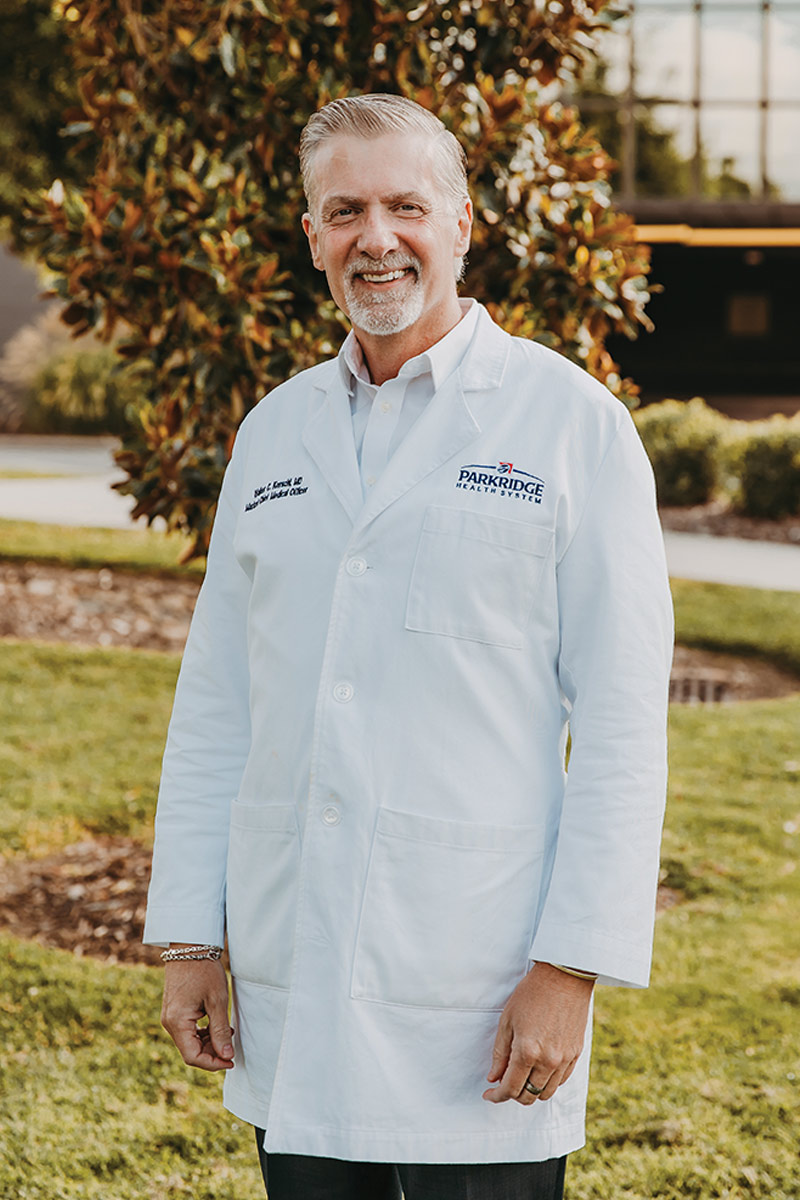
Walter C. Kerschl, MD, FACP, FACHE, MMM, CPE
Parkridge Medical Center
What’s your career journey, and how did you become chief medical officer? I have practiced internal medicine for more than 30 years, spending over two decades caring for patients in both a group and private practice settings, along with founding a medical nonprofit in Haiti. In 2023, I joined Parkridge Health System as market chief medical officer, where
I oversee quality, patient safety, physician engagement, regulatory readiness, and clinical performance across the health system.
How has the CMO role evolved along with the healthcare industry? The role of the CMO has evolved beyond traditional responsibilities to include oversight of the entire care delivery system. As a result, we are able to focus not only on quality and patient safety, but also on enhancing patient experience and supporting the well-being of our physicians and staff.
How do you navigate organizational challenges within your role? Successfully navigating change begins with maintaining an open mind and listening to others before speaking. Some of the best solutions emerge when leaders take the time to understand different perspectives and experiences. By engaging physicians and staff, listening to their concerns, and demonstrating meaningful progress, we can foster a culture that embraces change and continuous improvement.
What initiatives are you and your hospital currently focused on? Some of our most important priorities include improving the medication reconciliation process, supporting the unprecedented growth occurring across our organization, and ensuring we continue to deliver exceptional care as we expand. This growth is reflected in the construction of our new patient tower, significant investments being made throughout the Chattanooga market, and the successful recruitment of numerous talented physicians across multiple specialties.
How do you maintain balance between the CMO role requirements and your other responsibilities? Integrating work and life is important for maintaining both physical and mental health. Exercise, along with spending time with colleagues and friends, is very important. I take long weekends to visit my family in Virginia, eat healthy, and get outside to garden. Throughout my career, one of my greatest passions has been physician well-being. I have championed efforts to address burnout and promote professional fulfillment through a program I developed called Time2Thrive, which focuses on the six key domains that influence physician and staff well-being and resilience.

C. Lee Jackson, MD
CommonSpirit - Memorial Hospital
What’s your career journey, and how did you become chief medical officer? I practiced as a urologist with a focus on urologic cancer and robotic-assisted surgery. In 2008, I began a robotics program at CHI Memorial Hospital. In 2019, I became the part-time medical director of surgical services while still practicing. In late 2020, I left clinical practice to add physician advisor to my medical director of surgical services administration role. I then became chief medical officer in November of 2024.
What is unique about the CMO role? The CMO straddles two worlds – administrative and clinical. Communicating regulatory and economic realities, along with organizational needs, to clinicians and explaining how physicians think and feel to administrators is an essential feature of the role.
What do you think makes a strong leader? A strong leader must have a very clear understanding of the organization’s values and their own values. Their decisions and conduct must reflect an unshakable commitment to those values. They must have good character supported by honesty, integrity, fairness, self-discipline, and wisdom. Their demeanor should be steady and calm. They must not shrink from conflict, as conflict is inevitable and necessary for change.
What is your favorite thing about the role? Learning something I wasn’t aware I didn’t know is surprisingly fun. Learning how to solve an administrative problem to promote better patient care is also satisfying. Endless learning is the best part of the job.
What advice would you give to a young doctor just entering the field? Focus first on achieving excellence in your clinical work, then let your work speak for you. Read deeply about leadership, including the biographies of great leaders. Then investigate an advanced business degree such as an MBA or MHA. Above all, show up and listen.
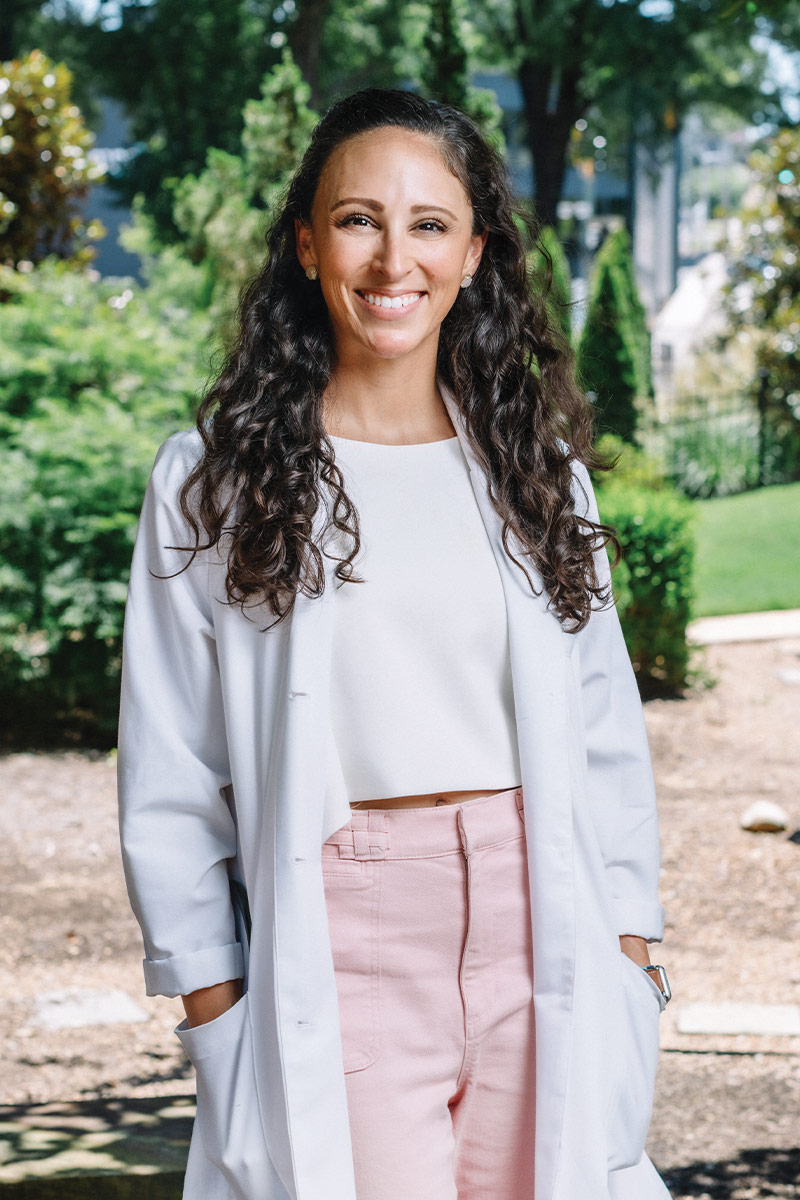
Jensen Hyde, MD, MPH, FACP
Erlanger
What’s your career journey, and how did you
become chief medical officer? After undergraduate at Vanderbilt, I moved to Memphis for medical school at the University of Tennessee. School and training brought my husband and me to Chattanooga, where I completed medical school and we both completed residency. In 2019, I obtained a master’s in public health with a focus on health policy and management. I then resumed working with residents, and over time I developed a deeper interest in quality improvement, patient safety, and operational leadership. I gradually took on leadership roles, and I was honored and humbled to be offered the role of chief medical officer in 2023.
What does a day in the life look like? My time is divided among meetings with clinical and administrative leaders, reviewing quality and safety data, working on strategic initiatives, and engaging with physicians and care teams. A significant part of the day involves problem solving – whether it’s improving patient flow, addressing operational challenges, or advancing clinical initiatives. I also prioritize rounding and staying connected to the clinical environment to ensure leadership decisions are grounded in real-world care delivery.
What initiatives are you and your hospital currently focused on? At Erlanger, we have several key priorities, including enhancing patient safety and quality outcomes, improving patient flow, strengthening physician engagement and wellness, advancing data-driven decision-making and clinical analytics, thoughtful and strategic expansion of services to improve access to care, and expanding the use of innovative technologies to support care delivery.
How has the CMO role evolved along with the healthcare industry? The CMO role has evolved significantly. It is no longer focused solely on physician oversight – it now encompasses quality, safety, operational performance, and strategic planning. CMOs are increasingly involved in navigating regulatory requirements, facilitating strategic initiatives, advancing digital transformation, and addressing workforce challenges.
What makes a strong leader? A strong leader demonstrates integrity, humility, and the ability to listen. In healthcare, leadership also requires resilience, adaptability, and a clear commitment to patient-centered care. A strong clinician leader adds in a layer of being able to navigate operational and financial challenges without losing focus on patient care.

Azhar Sheikh, MD
Bradley Medical Center
What’s your career journey and how did you become chief medical officer? After completing my medical training in Pakistan and Pittsburgh, I settled in Cleveland, Tennessee, in 1996. This community has been my home for three decades, so joining the team at Bradley Medical Center felt natural, especially knowing it was returning as a true community hospital being that we are now a not-for-profit healthcare system and all resources go back to meeting community need. It was a natural and exciting step – I recognized a genuine, shared commitment to advancing healthcare close to home.
What is unique about the CMO role? My job is to make sure every decision we make behind the scenes always comes back to one simple question: What’s best for the patient? As chief medical officer, I connect the hospital’s leadership with the doctors and nurses. It takes a doctor’s perspective and an executive’s judgment to bring all of that together, but the goal never changes: to deliver on our pledge of “Excellence – every person, every time.”
What initiatives are you and your hospital currently focused on? We are expanding our clinical capacity by actively recruiting specialists in endocrinology, ENT, gynecology, orthopedic surgery, and vascular surgery, among other fields. At the same time, we are launching a new emergency department at our Westside Campus and integrating acute rehabilitation through our partnership with Siskin Hospital for Physical Rehabilitation. Together, these efforts build a more efficient, accessible network of care for our community.
What advice would you give to a young doctor just entering the field? Let patient care guide everything you do. Medicine is a deeply human profession that calls for active listening, intentional self-care to guard against burnout, and the humility to treat every colleague as a mentor. Build your reputation on genuine compassion, and everything else will follow.
How do you maintain balance between the CMO role requirements and your other responsibilities? I maintain balance by clearly defining my responsibilities and entrusting daily practice operations to my colleagues. This allows me to focus on hospital strategy while giving my patients my full attention. I also treat my time at home as essential rather than optional – it sustains the energy that both roles require.
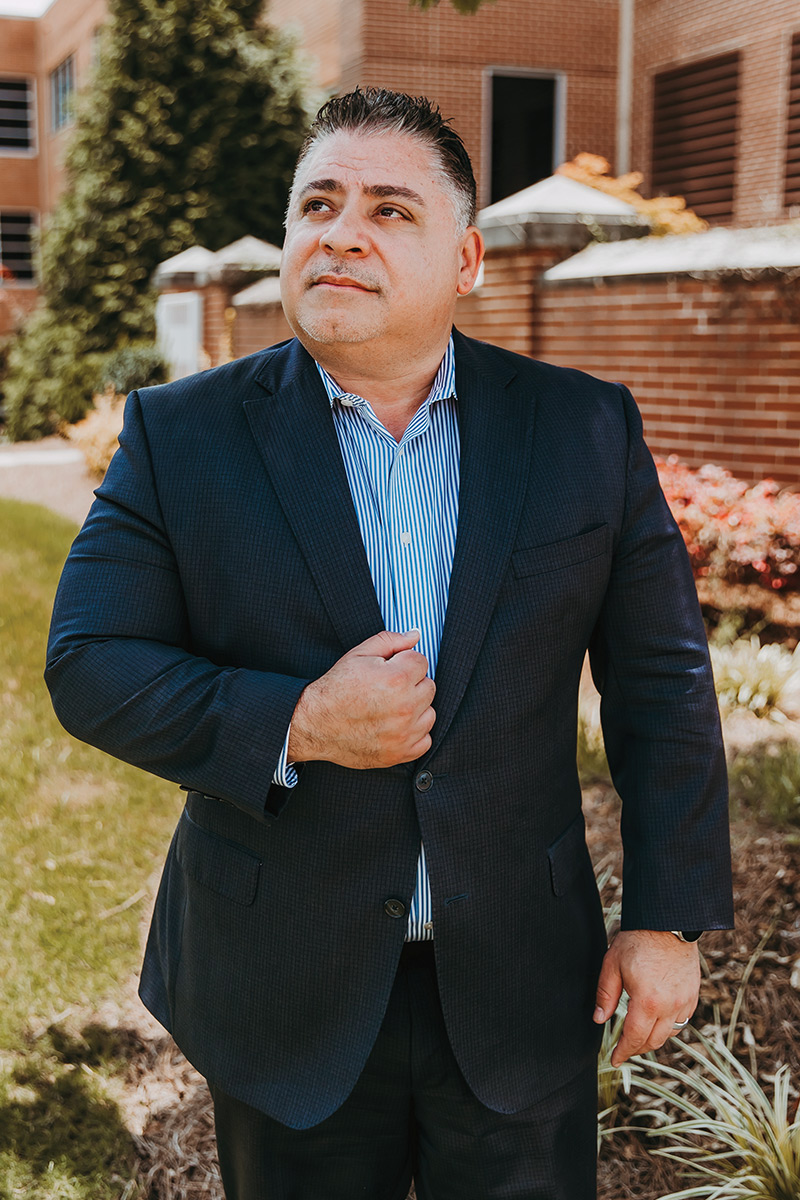
Ricardo Perez, DO, JD, FACOI
Hamilton Medical Center
What’s your career journey, and how did you became chief medical officer? After residency training, I became an assistant professor at my former medical school. After five years, I became a medical director at a local health system. From there, I became chief of medicine, and I ran our accountable care organization. We then merged with a larger system, and I became an associate chief medical officer at one of their hospitals. During the pandemic, the opportunity arose for me to become vice president of our regional medical group, leading physician recruitment and clinical operations. Just prior to my chief medical officer role with Vitruvian Health, I was a regional chief in charge of hospital medicine at three hospital sites.
What does a day in the life look like? After coming into the office, working on emails, and prepping for the day, we have a daily safety huddle. Leaders from the hospital systematically assess each department to troubleshoot any issues. This is our form of a “pulse check” for the organization – it keeps everyone informed and allows us to help alleviate those issues. My schedule can involve board meetings, community events, and check-ins with the medical staff leaders. I have oversight of patient safety, quality, graduate medical education, the medical staff office, and inpatient clinical operations.
What is unique about the CMO role? In the past, a CMO was seen as a sort of disciplinarian to the medical staff. The role is much more expansive now. The focus is more about systems and process. How can we take better care of patients? What changes need to be made for this to happen? What new things can we bring in that will serve our community?
What initiatives are you and your hospital currently focused on? In terms of patient safety and quality, we have several projects that leverage the use of artificial intelligence within our electronic medical record. In any hospital, there are risks of infections, pressure ulcers, and post-operative complications. This technology can help us detect these risks before they happen, allowing us to intervene early and help patients avoid adverse outcomes.
Meet the Author
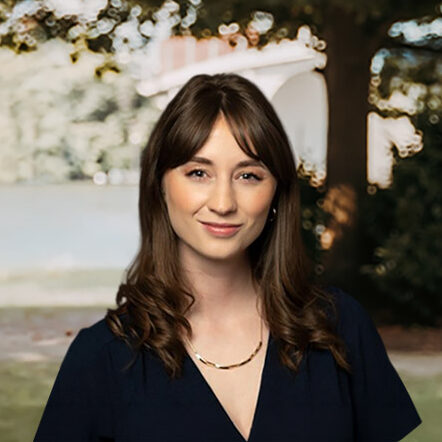
Kristen Dee, BS, MA, Summa Cum Laude
Kristen Dee is a graduate of Winthrop University, where she earned a Bachelor of Science in Integrated Marketing Communications. Following Winthrop, she earned a Master of Arts in Communication from Wake Forest University. Prior to joining CMC Media & Marketing Group, Kristen successfully fulfilled roles involving internal corporate communications. Today, she supports ideation, conceptualization, and development of numerous health & wellness, business, sports, and lifestyle articles published in print and online for HealthScope® and CityScope® magazines as well as Choose Chattanooga® and Choose Huntsville™ – premier publications serving Southeast Tennessee, North Georgia, and North Alabama. She also contributes to the development of blogs and other content shared on the publications’ digital platforms. In her free time, she enjoys cooking, baking, reading, and spending time with her husband and two dogs, Cooper and Rocky.