Alternatives to Spinal Fusion

Annual Strength & Structure Section

Motion-preserving treatments can relieve pain while preserving mobility.

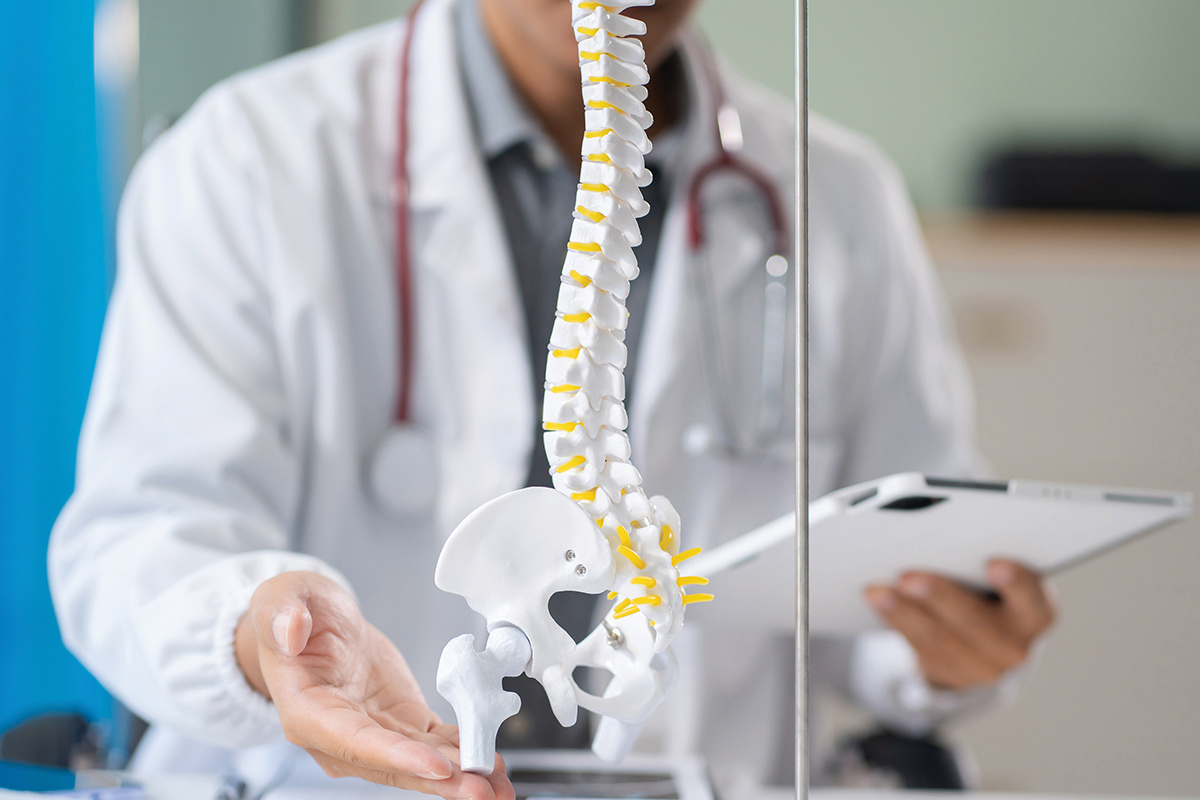
doctor shows model of spinal structure

Understanding Spinal Fusion

Spinal fusion is a surgery that connects two or more bones in the spine, preventing movement and thereby helping prevent pain. While this procedure can be an effective option to provide pain relief and stability, fusing the bones can permanently reduce mobility and place stress on adjacent levels above and below the fusion, which can cause faster breakdown at those levels. However, thanks to innovations in surgical techniques, motion-preserving treatment options are now available.

Alternatives Available

  • Cervical disc replacement restores a disc in the neck, relieving pressure on nerves and the spinal cord.
  • Lumbar disc replacement restores a disc in the lower back, treating chronic pain caused by disc degeneration.
  • Facet joint replacement replaces diseased facet joints in the lumbar spine while maintaining motion.
  • Microdiscectomy removes only the portion of a disc compressing a nerve, treating sciatica caused by a herniated disc while preserving stability.
  • Spinal decompression removes structures that compress nerves, such as bone spurs or thickened ligaments, relieving pressure while preserving motion.
  • Lumbar total joint replacement is designed to replace the function of both the disc and facet joints in the lower back to help relieve pain while preserving motion and function (pending FDA approval).

Benefits and Outlook

These alternatives to spinal fusion can treat pain and symptoms while preserving mobility and restoring quality of life by stabilizing the spine without permanently locking vertebrae together. If you are suffering from chronic neck or back pain caused by a damaged disc or other condition, speak with your doctor about whether a motion-preserving procedure is right for you.

An Expert Weighs In

“After more than 35 years of practice, one belief still guides me: the spine was designed to move. Each spinal segment shares the load and motion with the ones above and below it. When you fuse a segment, that stress has to go somewhere, and over time it transfers to the neighboring levels and can wear them down. Preserving motion keeps that natural balance intact. No two patients are alike, so I listen first, understand what matters to you, and build a plan that protects both your pain relief and the life you want to live.”


Meet the Author

Rachel Studebaker
Rachel Studebaker, BA, English, Summa Cum Laude

Rachel Studebaker is a graduate of Lee University where she earned a Bachelor of Arts degree in English with a minor in advertising. While attending Lee, Rachel served as editor-in-chief and creative director for the school’s biannual publication Vindagua and was a member of Sigma Tau Delta English Honors Society. As managing editor for CMC Media & Marketing Group, she is responsible for the development and completion of 16 publications involving health, wellness, business, sports, and lifestyle articles published in print and online for HealthScope®, CityScope®, and Choose Chattanooga® magazines – premier publications serving S.E. Tennessee and North Georgia. Additionally, Rachel has led digital marketing initiatives for CMC Media & Marketing Group as well as the development of content for the introduction of Choose Huntsville™, Huntsville Resource & Relocation Guide™ for Huntsville, Alabama.

Get the FREE Digital Issue Before the Magazine Hits the Stands.