Advancements in Rehabilitation Technology

Tech for Your Health

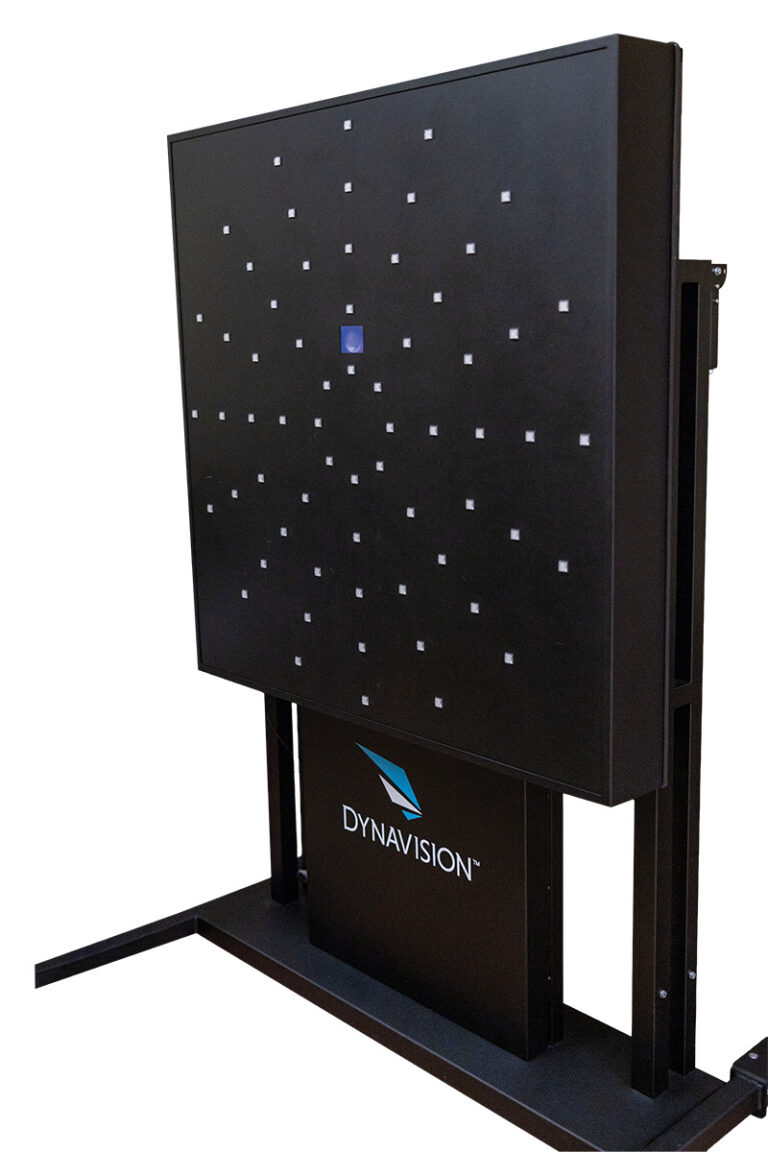
This multisensory light board is a versatile tool for rehabilitation.

New and innovative systems are accelerating outcomes for physical rehabilitation patients, including Dynavision D2, a multisensory, interactive light board. By recording and evaluating the user’s reaction to light, this advanced FDA-approved device can help train visual, motor, and cognitive skills – providing practitioners with a comprehensive rehabilitative approach.

Dynavision D2 can address a range of impairments caused by neurological injuries such as stroke and traumatic brain injury (TBI). It can accommodate different ages and abilities, and its versatile programming makes it suitable for a wide variety of uses, from occupational and physical therapy to neurology and athletics. Its adjustable settings include board height and the speed, frequency, and location of light activations.

How Does It Work?

Patients sit or stand in front of the large computerized light board, which features 64 raised LED buttons that cover their field of view. They then press these buttons as they light up as quickly as they can, hearing a beep each time one is pressed. This combination of visual, auditory, and tactile feedback trains key sensory-motor skills as the patient engages with the device. A practitioner will observe and customize the exercises in real-time as needed to target specific training areas.

The Benefits of Dynavision D2

dynavision

Dynavision D2 can help improve:

  • Hand-eye coordination
  • Peripheral awareness
  • Depth perception
  • Reaction times
  • Cognitive processing
  • Spatial awareness
  • Fine motor skills
  • Concentration and focus
  • Balance

An Expert Weighs In

“At Siskin Hospital, the Dynavision D2 is integrated into therapy sessions to target real-world recovery goals. Clinicians use the interactive light board to retrain visual scanning, reaction speed, and cognitive processing in patients recovering from a stroke, brain injury, and other neurologic conditions. By tailoring its modes to each individual patient, therapists deliver engaging, measurable interventions that support functional independence and a safe transition back to daily life.”


Get the FREE Digital Issue Before the Magazine Hits the Stands.