
What You Need to Know
Aging skin can cause wrinkles, dry skin, dark spots, and more. Read on to learn how to prevent signs of aging and tackle common skin issues with expert advice from local providers.
Causes and Signs of Aging Skin
As we age, our skin ages with us. Over time, the skin loses elasticity and collagen, causing wrinkles. In addition to wrinkles, aging skin may have discoloration or sun spots and become dryer as it loses the ability to produce sebum, the naturally occurring oil on the skin. The natural aging process, known as intrinsic aging, as well as damage from the sun and lifestyle factors, known as extrinsic aging, are the two main causes of aging skin. Exposure to sunlight and pollution, as well as smoking, alcohol consumption, stress, and diet can accelerate this process and can cause wrinkles to develop earlier. An estimated 90% of signs of aging come from unprotected exposure to the sun.
How to Prevent Signs of Aging Skin
One of the key steps to preventing aging skin and wrinkles is wearing sun protection and avoiding exposure to the sun. The American Academy of Dermatology Association recommends wearing a broad spectrum (UVA and UVB protection) sunscreen with at least 30 SPF daily. Use at least a teaspoon, and reapply every two hours. To protect your lips, use a lip balm with an SPF of 30 or higher. In addition, avoid tanning beds and limit overall sun exposure as much as possible. These measures not only help prevent aging skin, but also decrease the risk of skin cancer.
Lifestyle choices can also help prevent signs of aging on the skin. The American Society for Dermatologic Surgery recommends eating a balanced diet and drinking plenty of water, getting enough sleep, exercising regularly, avoiding stress, and limiting alcohol consumption and smoking. They also recommend doing a regular skincare routine that includes vitamin C, which fights free radicals – unstable molecules that can harm health – and brightens skin.
Skin-Loving Foods
Water-rich foods like cucumber, watermelon, and strawberries
Foods high in antioxidants such as berries, leafy greens, and nuts
Healthy fats such as salmon, flax seeds, and walnuts
Vitamin-rich foods like sweet potatoes, bell peppers, broccoli, citrus fruits, and carrots
Skin Treatments and Cosmetic Procedures
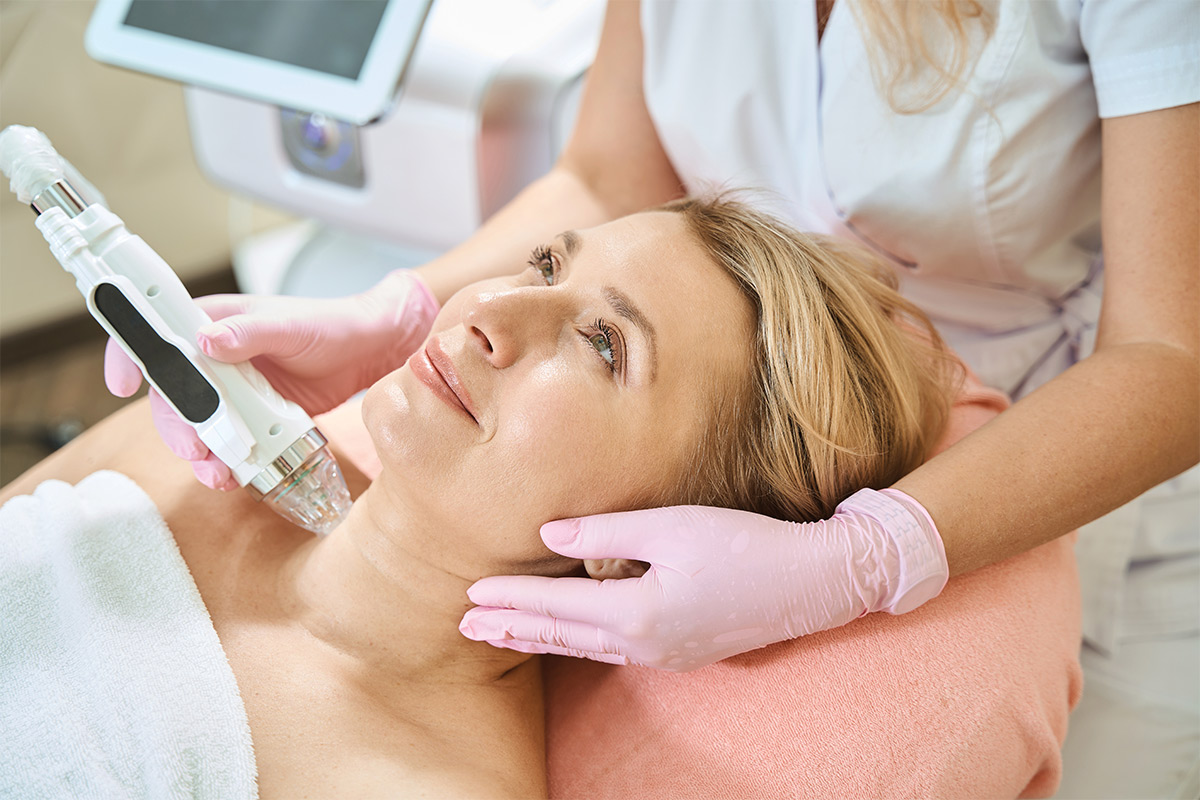
While skincare routines and avoiding sun exposure can help reduce signs of aging skin, skin treatments and cosmetic procedures are another option. Skin-resurfacing treatments such as laser skin resurfacing, chemical peels, and microdermabrasion can help improve skin’s tone, texture, and appearance. In addition, injectables like fillers and BOTOX® and skin tightening treatments can reduce wrinkles, enhance facial features, and restore lost volume. These nonsurgical options have little to no downtime and are typically completed in 90 minutes or less.
Depending on your skin goals, facial cosmetic surgery can provide more immediate, permanent, and dramatic results. According to the American Board of Cosmetic Surgery, you may be better suited for cosmetic surgery if you have significant sagging skin, prefer to only undergo a procedure once, desire a more permanent solution, or would like to reshape a facial feature.
Along with cosmetic signs of aging skin, you may also experience new skin spots like moles or non-healing sores, which could be signs of skin cancer. Be sure to discuss any skin concerns with your doctor or dermatologist. An annual skin cancer screening can identify skin cancer in its early stages, when it is most treatable.
Confidence is Key
Whether you’re diving into a multistep skincare routine or considering a cosmetic procedure, everyone deserves to feel confident and comfortable in their skin. Making necessary lifestyle changes, in addition to consulting with a dermatologist for any skin concerns and a licensed aesthetician for any cosmetic concerns, can help you determine the right approach for your skin.
Ask the Experts
Q. What are some of your top tips for caring for aging skin?
Q. How effective are products marketed as anti-aging? What is the science behind them?
Q. What changes in my skin could be a sign of something serious?
Meet the Author
Kristen Dee, BS, MA, Summa Cum Laude
Kristen Dee is a graduate of Winthrop University where she earned a Bachelor of Science degree in integrated marketing communications, with the distinction of Magna Cum Laude and IMC Student of the Year. Following Winthrop, Kristen earned a Master of Arts in Communication from Wake Forest University. Prior to joining CMC Media & Marketing Group as editor, Kristen successfully fulfilled roles involving internal corporate communications. Today, Kristen leads ideation, conceptualization, and development of numerous health, wellness, business, sports, and lifestyle articles published in print and online for HealthScope®, CityScope®, and Choose Chattanooga® magazines – premier publications serving S.E. Tennessee and North Georgia.