Immunostaining & Mohs Surgery

A new laboratory technique is supporting skin cancer treatment with Mohs surgery.

doctor performing mohs surgery

Understanding Skin Cancer

Skin cancer is the most common type of cancer in the United States, caused primarily by overexposure to ultraviolet (UV) radiation from the sun or tanning beds. Basal cell carcinoma (BCC), squamous cell carcinoma (SCC), and melanoma are the three most common types of skin cancer and are highly treatable when caught early.

New Solutions

Mohs micrographic surgery is a specialized surgical technique for the treatment of skin cancer that involves removing and examining layers of skin until only cancer-free tissue remains. This method is considered the most effective treatment for BCC and SCC and achieves the highest possible cure rate while minimizing scarring.

Advancements in laboratory techniques have supported the effectiveness of Mohs surgery. These include immunohistochemical staining, a state-of-the-art approach that uses antibodies to detect antigens in a tissue sample. If the antibody recognizes an antigen, it binds to it and stains it a certain color that the pathologist can view beneath a microscope, confirming the presence of disease. During Mohs surgery, each layer of tissue that is removed is processed with immunostaining and examined under the microscope. The process is repeated only as needed until no cancer cells remain at the surgical margins.

Benefits to Patients

Immunostaining helps doctors accurately detect the presence of skin cancer, supporting the Mohs surgery process and cure rates. It has also broken new ground in the treatment of skin cancer by making Mohs surgery an effective treatment option for many appropriately selected melanomas, improving outcomes for a wider range of patients. Thanks to these advanced surgical and laboratory techniques, many patients have become cancer-free.

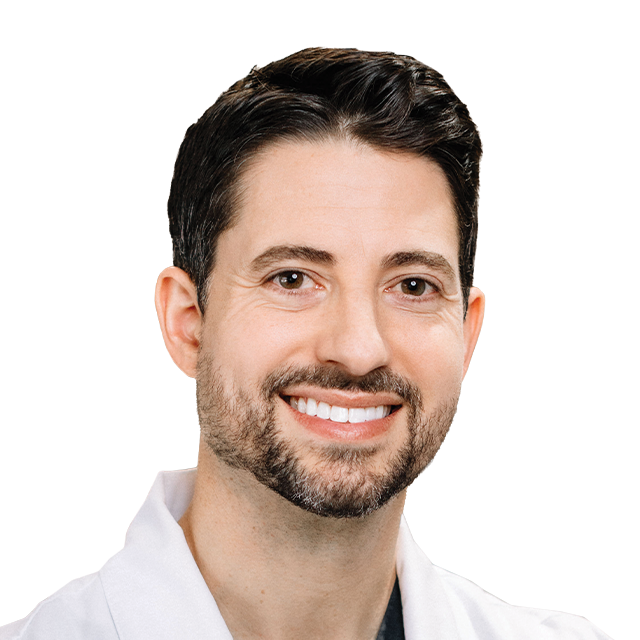
“Advanced immunostaining has transformed our ability to treat certain skin cancers with greater precision. By offering both MART-1 immunostaining for melanoma and cytokeratin immunostaining for aggressive squamous cell carcinomas, Uderm has become a regional referral center for patients seeking this advanced level of Mohs surgery.”
Meet the Author

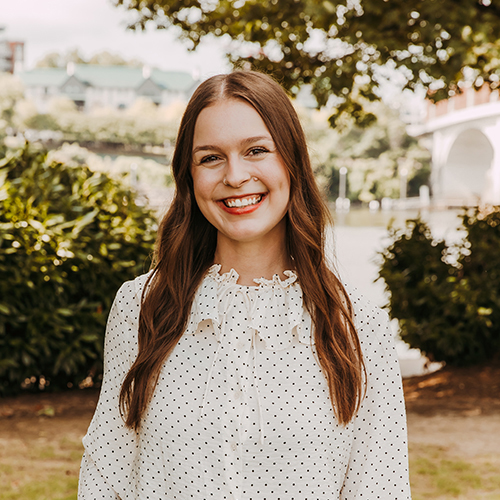
Rachel Studebaker
Rachel Studebaker, BA, English, Summa Cum Laude

Rachel Studebaker is a graduate of Lee University, where she earned a Bachelor of Arts in English with a minor in advertising with the distinction of summa cum laude and served as editor-in-chief of the university’s biannual magazine, The Vindagua. After graduation, Rachel joined CMC Media & Marketing Group as an editor. Today, she serves as managing editor and is responsible for leading the editorial team in the development and completion of content for 17 publications involving health & wellness, business, sports, and lifestyle published in print and online for HealthScope® and CityScope® magazines as well as Choose Chattanooga® and Choose Huntsville™ – premier publications serving Southeast Tennessee, North Georgia, and North Alabama. In addition to writing, editing, and coordinating copy, Rachel oversees networking and reputation management for the company’s publications. In her free time, she enjoys reading, hiking, attending concerts, trying new restaurants, and traveling with her husband.

Get the FREE Digital Issue Before the Magazine Hits the Stands.