Anti-Aging Skincare

Aging Well

Over-the-counter products can help protect and improve the appearance of aging skin.

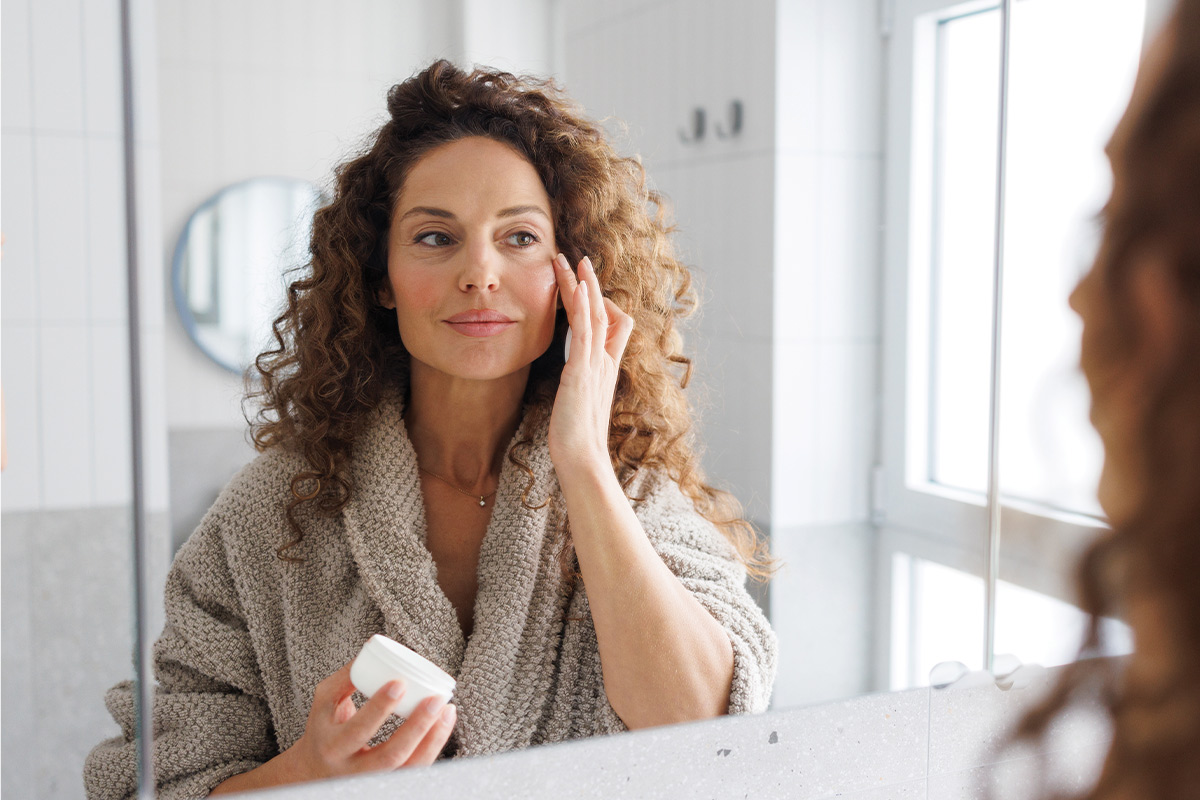
woman applying anti-aging skincare

Understanding Skin Health and Aging

Signs of aging skin – including fine lines and wrinkles; sagging skin; and dark spots – are caused by both the natural aging process and environmental factors. As you age, your skin naturally becomes thinner and more fragile. Your body also begins to produce less elastin and collagen – proteins that help keep skin firm, elastic, and hydrated.

Sun damage, also known as photoaging, is the leading cause of aging skin. Exposure to ultraviolet (UV) rays from the sun damages elastin, and over time, cause premature signs of aging.

Anti-Aging Skincare Ingredients

Certain over-the-counter (OTC) products and supplements can benefit aging skin. These include:

Niacinamide. A form of vitamin B3, niacinamide can be topically applied to help reduce inflammation; smooth wrinkles; treat pigmentation; improve skin hydration; and protect against sun damage.

Polypodium supplements are derived from the tropical fern polypodium leucotomos and have antioxidant properties that studies suggest may protect against sun damage and treat inflammation.

Hydrolyzed collagen, or collagen peptide, supplements are taken to replenish collagen levels and combat signs of aging. Increased collagen production is shown to improve skin elasticity and hydration.

Topical antioxidants protect the skin against harmful toxins and prevent premature aging. Vitamin C serums are recommended for evening up skin texture and tone; reducing redness; and improving wrinkles and dark spots.

Retinol is an OTC form of a retinoid – a derivative of vitamin A – and works by increasing skin cell and collagen production. This process reduces the appearance of wrinkles and dark spots and improves skin elasticity.

Outlook

In addition to taking supplements, it’s important to practice daily skincare, including face washing and applying SPF. A dermatologist can provide guidance on creating an anti-aging skincare routine and help determine which ingredients are right for you.

An Expert Weighs In

“In a time when consumers are inundated with skincare marketing, it’s essential to distinguish what is evidence-based from what is not. Not all over-the-counter products are right for every individual. The best approach is to discuss your specific concerns with a board-certified dermatologist, who can help tailor a regimen that’s truly right for you.”


Meet the Author

Rachel Studebaker
Rachel Studebaker, BA, English, Summa Cum Laude

Rachel Studebaker is a graduate of Lee University, where she earned a Bachelor of Arts in English with a minor in advertising with the distinction of summa cum laude and served as editor-in-chief of the university’s biannual magazine, The Vindagua. After graduation, Rachel joined CMC Media & Marketing Group as an editor. Today, she serves as managing editor and is responsible for leading the editorial team in the development and completion of content for 17 publications involving health & wellness, business, sports, and lifestyle published in print and online for HealthScope® and CityScope® magazines as well as Choose Chattanooga® and Choose Huntsville™ – premier publications serving Southeast Tennessee, North Georgia, and North Alabama. In addition to writing, editing, and coordinating copy, Rachel oversees networking and reputation management for the company’s publications. In her free time, she enjoys reading, hiking, attending concerts, trying new restaurants, and traveling with her husband.

Get the FREE Digital Issue Before the Magazine Hits the Stands.